
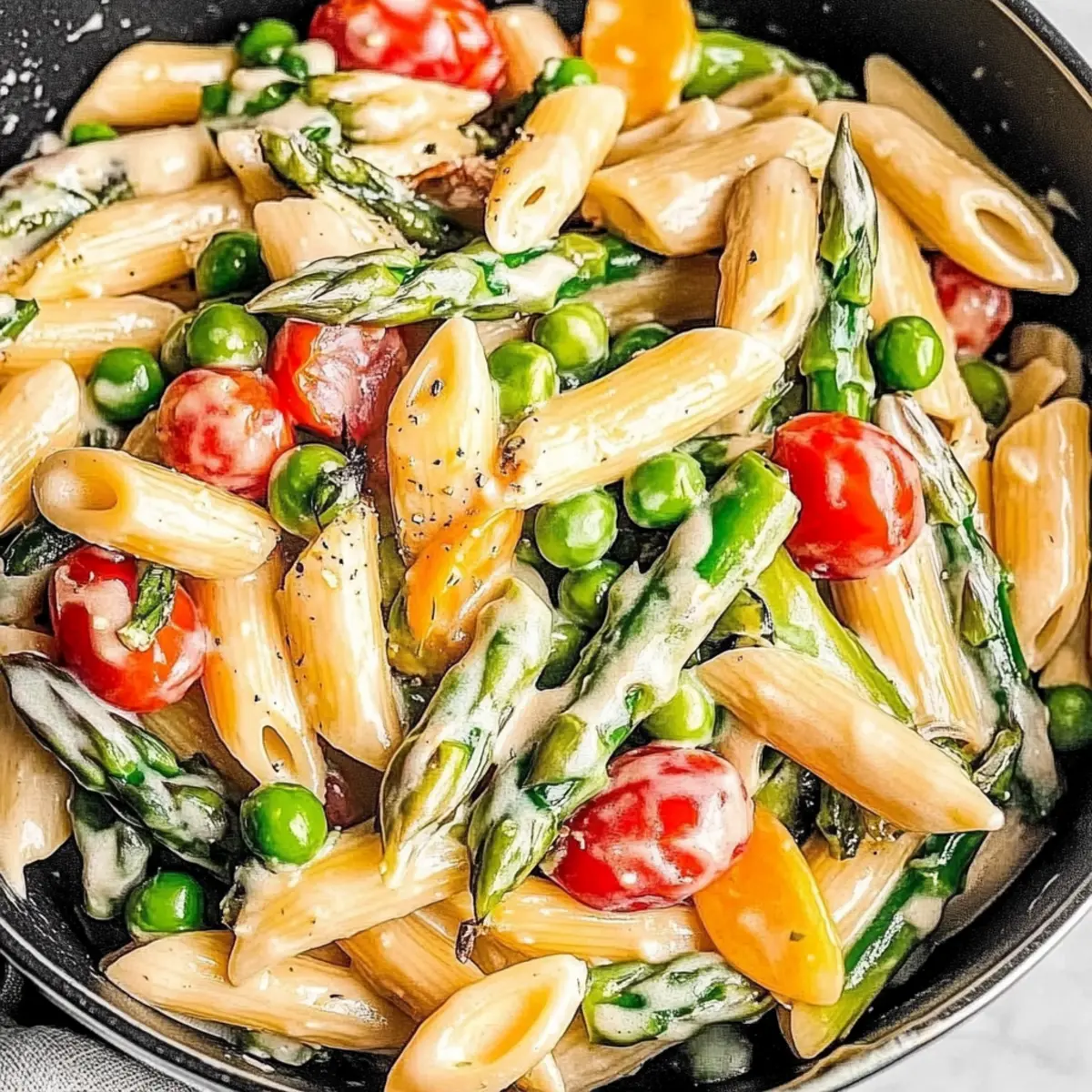
As I stood in my kitchen, the sun streaming through the window, I couldn’t help but feel an overwhelming urge to celebrate the arrival of spring with something fresh and vibrant. That’s when it hit me: a bowl of Fresh Spring Vegetable Pasta was exactly what I needed! Bursting with seasonal veggies, this delightful dish is not only a feast for the eyes but also a quick and healthy option for those busy evenings. Perfect for family dinners or meal prep, it pairs tender pasta with crisp asparagus, sweet peas, and juicy cherry tomatoes, all drizzled with zesty lemon juice. Whether you’re following a gluten-free diet or simply seeking a nourishing, vegetarian meal, I’ve got delicious substitutions to suit every palate. Ready to embrace the flavors of spring? Let’s dive into this colorful culinary experience!
Why is Spring Vegetable Pasta a Must-Try?
Freshness: This dish captures the essence of spring, with seasonal vegetables that are vibrant and delightful to the palate.
Quick & Easy: It’s a breeze to whip up—perfect for busy weeknights or meal-prepping for the week ahead!
Adaptable: Looking for gluten-free or vegan options? You can easily substitute ingredients without losing flavor or texture. Just swap your pasta and explore variations like adding grilled chicken or chickpeas for extra protein.
Zesty Flavor: The bright lemon juice elevates the dish, making each bite refreshing and lively! Pair it with a light salad or crusty bread for a complete meal.
This recipe is a true celebration of simplicity and flavor, making it a fantastic choice for both family dinners and solo meals! For more satisfying pasta options, check out our Marry Pasta Vegan.
Spring Vegetable Pasta Ingredients
For the Pasta Base
- Pasta – Your choice of shape (e.g., spaghetti, penne) forms the delightful foundation of this Spring Vegetable Pasta.
For the Vegetable Medley
- Olive Oil – Perfect for sautéing; enhances the flavors of each veggie. You can substitute with avocado oil for a twist!
- Asparagus – A crunchy addition that shines with fresh flavor; best when in season.
- Peas – Sweet little gems that add vibrant color—you can easily use frozen if fresh is out of reach.
- Cherry Tomatoes – Their juicy goodness brightens the dish; slice them in half for easy incorporation.
- Spinach – A nutrient-packed green that complements the pasta nicely; feel free to swap for kale or Swiss chard if preferred.
- Garlic – Provides that aromatic punch every pasta needs; always choose fresh for the best flavor.
For Seasoning
- Salt and Pepper – Essential for bringing the dish to life; adjust according to your taste.
- Lemon Juice – This is your secret weapon for a zesty finish, enhancing the overall flavor profile; fresh is the way to go!
This ingredient list will guide you on your journey to creating a delicious Spring Vegetable Pasta that combines seasonal veggies with satisfying pasta for an unforgettable meal!
Step‑by‑Step Instructions for Spring Vegetable Pasta
Step 1: Cook Pasta
Begin by bringing a large pot of salted water to a rolling boil over high heat. Once boiling, add your chosen pasta and cook according to package instructions until al dente, which typically takes about 8-10 minutes. Stir occasionally to prevent sticking, and keep an eye on the pasta; it should be tender yet firm when done.
Step 2: Prep Vegetables
While the pasta cooks, wash and chop your fresh spring vegetables. Trim the woody ends off the asparagus and cut them into bite-sized pieces. Halve the cherry tomatoes and, if using fresh peas, shell them. You want all your veggies prepped and ready to go to ensure a smooth cooking process for your Spring Vegetable Pasta.
Step 3: Sauté Vegetables
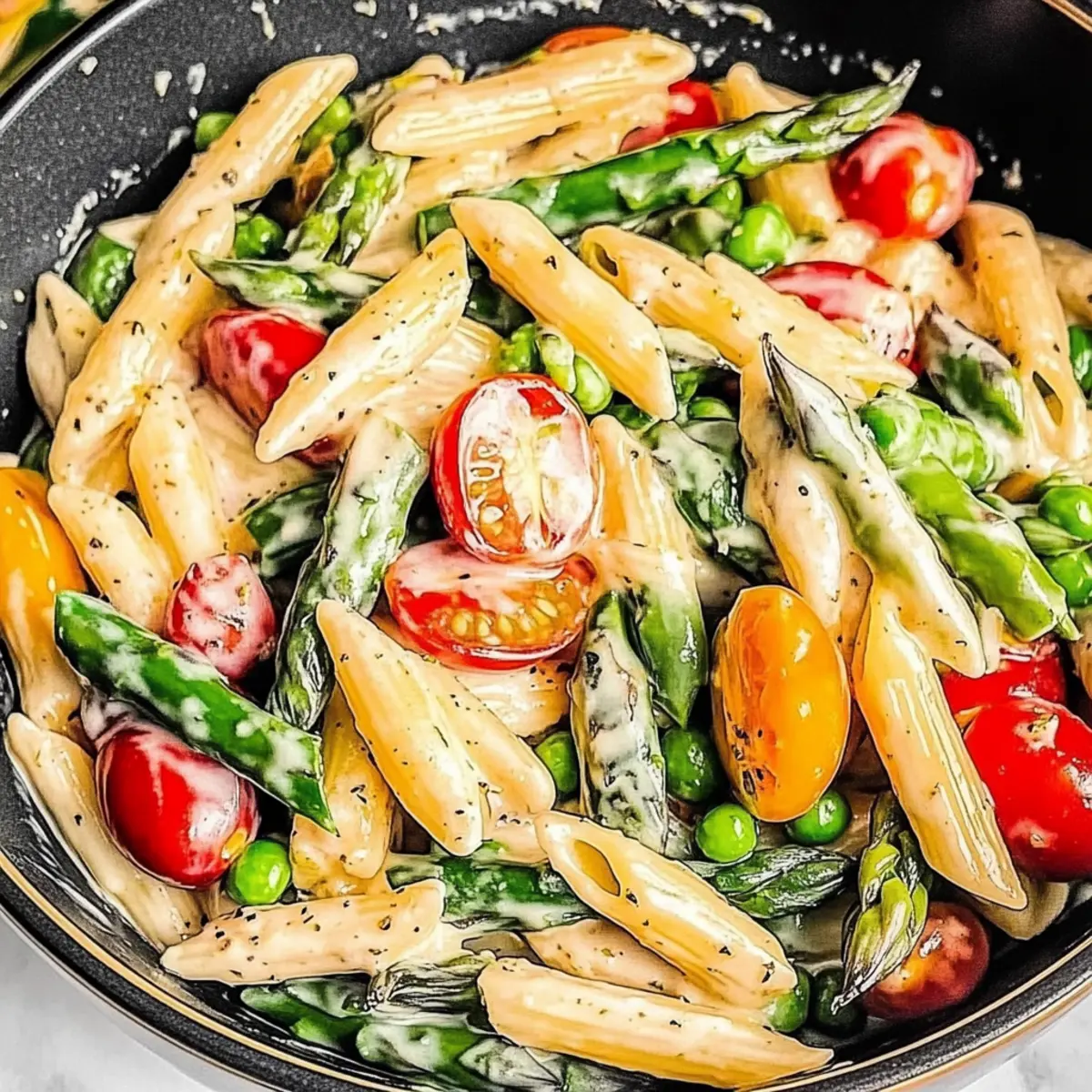
In a large skillet, heat 2-3 tablespoons of olive oil over medium heat. Once the oil is shimmering, add the chopped asparagus and sauté for about 3 minutes until they begin to soften. Then, include the peas and cherry tomatoes, stirring frequently for an additional 4-5 minutes, until the vegetables are tender yet still crisp and vibrant in color.
Step 4: Combine Pasta and Vegetables
When your pasta is cooked, drain it, reserving a small cup of the starchy pasta water. Add the drained pasta directly to the skillet with the sautéed vegetables. Toss everything together gently, ensuring that the pasta is well-integrated with the colorful medley, allowing the flavors to meld beautifully.
Step 5: Create the Sauce
To elevate your Spring Vegetable Pasta, squeeze in fresh lemon juice and add a splash of reserved pasta water. Stir well to create a light sauce that coats the pasta and veggies. The lemon will add a bright zing, enhancing the overall freshness and flavor of the dish.
Step 6: Season & Serve
Finally, season your Spring Vegetable Pasta generously with salt and pepper to taste. If desired, toss in fresh herbs for an added punch of flavor. Serve warm, and if you like, pair it with crusty bread or a simple side salad to complement the vibrant dish.
Expert Tips for Spring Vegetable Pasta
-
Pasta Perfection: Check your pasta two minutes before the suggested cooking time to achieve that ideal al dente texture—no one likes mushy noodles!
-
Fresh is Best: For enhanced flavor, always opt for seasonal vegetables from local farmers’ markets. They’ll make your Spring Vegetable Pasta truly shine!
-
Crisp Veggies: Avoid overcooking the vegetables; they should retain their color and crunch, bringing a lovely contrast to the tender pasta.
-
Timing Matters: If using frozen peas or other frozen vegetables, add them later in the sautéing process to prevent them from becoming mushy.
-
Zesty Boost: For those who crave a little extra zing, consider adding a pinch of red pepper flakes when sautéing your veggies for added warmth and complexity!
Make Ahead Options
These Fresh Spring Vegetable Pasta preparations are a lifesaver for busy home cooks! You can cook the pasta and refrigerate it for up to 24 hours before combining with the sautéed vegetables. To maintain optimal texture, cook the pasta just until al dente; this prevents it from becoming mushy when reheated. You can also prepare the vegetable medley a day in advance, sautéing the veggies and storing them in an airtight container in the fridge for up to 3 days. When you’re ready to serve, simply reheat the vegetables in a skillet, toss in the cooked pasta, add fresh lemon juice, and season to your liking for a delightful, ready-to-eat meal that’s just as delicious as when made fresh!
How to Store and Freeze Spring Vegetable Pasta
Fridge: Store leftover Spring Vegetable Pasta in an airtight container for up to 3 days.
Freezer: If freezing, place the pasta in a freezer-safe container. It can last for up to 2 months; however, the texture of the vegetables may change upon thawing.
Reheating: To reheat, simply thaw overnight in the refrigerator and warm in a skillet over low heat. Add a splash of water or broth to revive its flavors.
Make-Ahead: You can prepare the pasta in advance and refrigerate it for up to 24 hours before sautéing the vegetables for a quick meal.
What to Serve with Fresh Spring Vegetable Pasta
In every meal, the right pairings can take simple dishes to extraordinary heights, embracing flavors and textures in harmony.
- Crusty Garlic Bread: The crispy, buttery bread adds a punch of flavor while complementing the zesty pasta beautifully.
- Simple Arugula Salad: This fresh salad provides a peppery bite that contrasts well with the sweet vegetables, creating a balanced meal.
- Lemon Sorbet: A refreshing dessert that echoes the bright notes from the lemon in your pasta, cleansing the palate between bites.
- White Wine Spritzer: Light and bubbly, this drink enhances the fresh and vibrant notes of the dish, perfect for a warm evening.
- Mediterranean Quinoa Salad: Packed with herbs and fresh vegetables, this dish mirrors the pasta’s freshness while adding a delightful chewiness.
- Roasted Garlic Asparagus: Intensifying the asparagus notes, this side dish delivers a depth of flavor, truly making it a springtime feast.
Let your dinner table come alive with these vibrant choices, each one enriching the delightful experience of enjoying your Spring Vegetable Pasta!
Spring Vegetable Pasta Variations & Substitutions
Feel free to let your creativity shine as you personalize this delightful dish to your taste!
- Dairy-Free: Omit parmesan cheese or use nutritional yeast for a cheesy flavor without dairy.
- Gluten-Free: Swap standard pasta for gluten-free varieties like brown rice or quinoa pasta for a light and crunchy alternative.
- Veggie Swap: Replace asparagus with fresh zucchini or bell peppers for a unique twist on the classic.
- Protein Boost: For an added protein punch, toss in grilled chicken or chickpeas, blending seamlessly with the veggies.
- Herb Infusion: Add fresh herbs like basil, oregano, or parsley to elevate the flavor and bring a fragrant aroma.
- Spicy Kick: Craving heat? Sprinkle in some red pepper flakes when sautéing your veggies for a warm zing.
- Creamy Finish: Stir in a dollop of cashew cream or coconut cream for a luscious, creamy texture that’ll make your taste buds sing.
These variations not only keep your meals exciting but also encourage you to explore flavors the whole family will love. Who knows? You might find a new favorite way to enjoy your Spring Vegetable Pasta! If you’re interested in other delightful pasta recipes, make sure to check out our Marry Pasta Vegan for further inspiration.
Spring Vegetable Pasta Recipe FAQs
What type of pasta works best for Spring Vegetable Pasta?
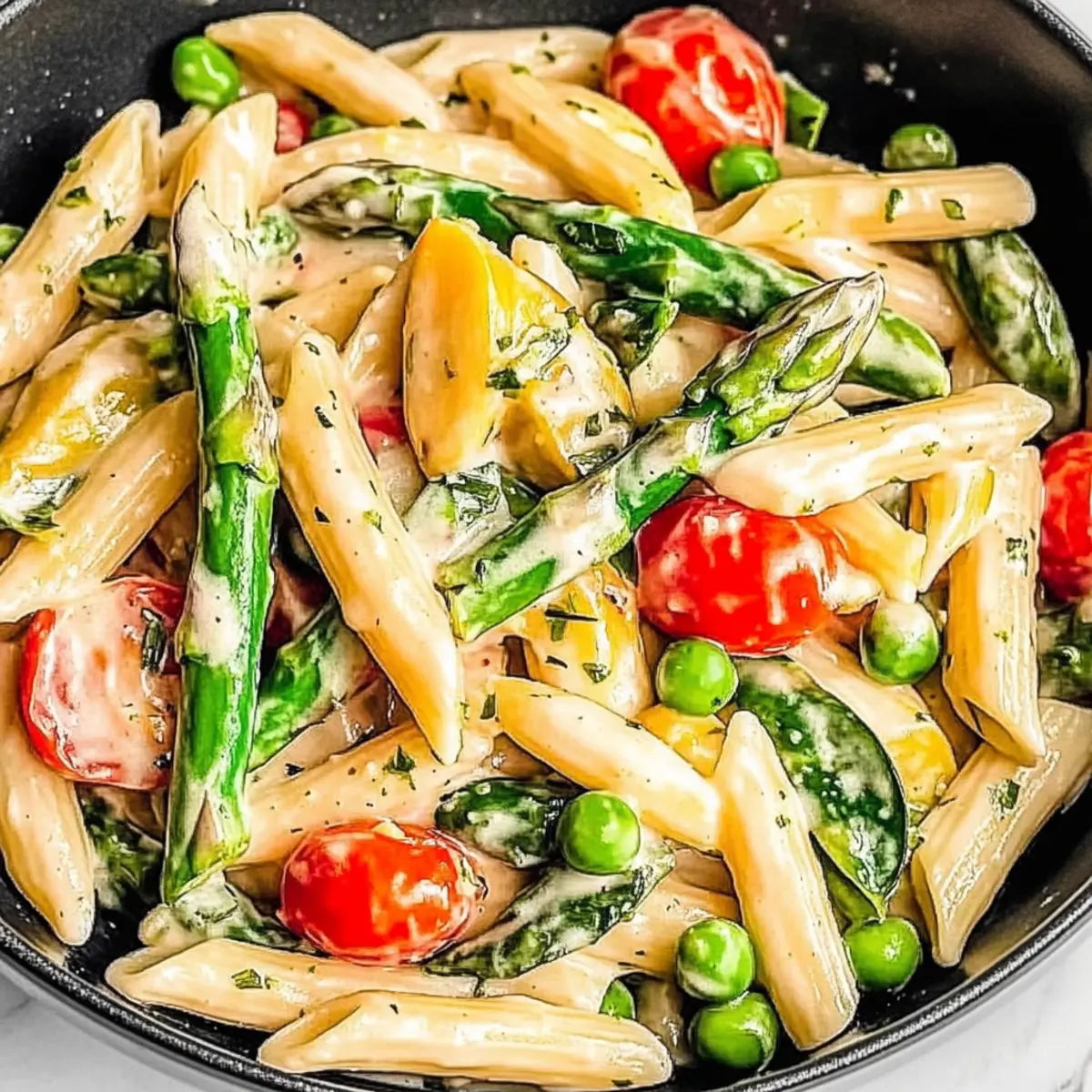
Absolutely! You can use any pasta shape that you love, whether it’s spaghetti, penne, or even a whole grain variety. For gluten-free options, there are fantastic gluten-free pasta alternatives available that maintain the same delightful texture.
How should I store leftover Spring Vegetable Pasta?
To keep your pasta fresh, store it in an airtight container in the refrigerator for up to 3 days. Make sure it’s well-sealed to prevent it from drying out. Reheating can be quick and easy—just add a splash of water in the skillet to help revive the flavors!
Can I freeze Spring Vegetable Pasta?
Yes, you can! To freeze, place the cooled pasta in a freezer-safe container. It can last up to 2 months. Keep in mind that the texture of the vegetables may change slightly when thawed, but it’ll still taste delicious! When ready to enjoy, thaw overnight in the refrigerator, then heat gently on the stovetop with a little water or broth.
What should I do if my vegetables overcook and become mushy?
That’s a common issue! If you’re using fresh vegetables, make sure to sauté them just until they turn tender yet remain crisp. If using frozen veggies, add them later in the cooking process to prevent mushiness. If by chance they do overcook, try incorporating them into a blended soup or sauce to salvage the dish.
Are there any common allergies I should consider with this recipe?
Very! This Spring Vegetable Pasta can be made allergy-friendly. If someone’s allergic to gluten, opt for gluten-free pasta. If dairy is a concern, you can leave out cheese completely or substitute it with nutritional yeast for a cheesy flavor without dairy. Always check the labels when selecting packaged products, and adjust ingredients as needed based on dietary restrictions.
What if I want to adjust the seasonal vegetables based on what’s available?
Feel free to get creative! Spring Vegetable Pasta is a wonderful canvas for whatever seasonal vegetables you have on hand. Zucchini, bell peppers, or even broccoli make great swaps. The more colorful, the better! Enjoy experimenting, and remember that cooking is all about making it your own.
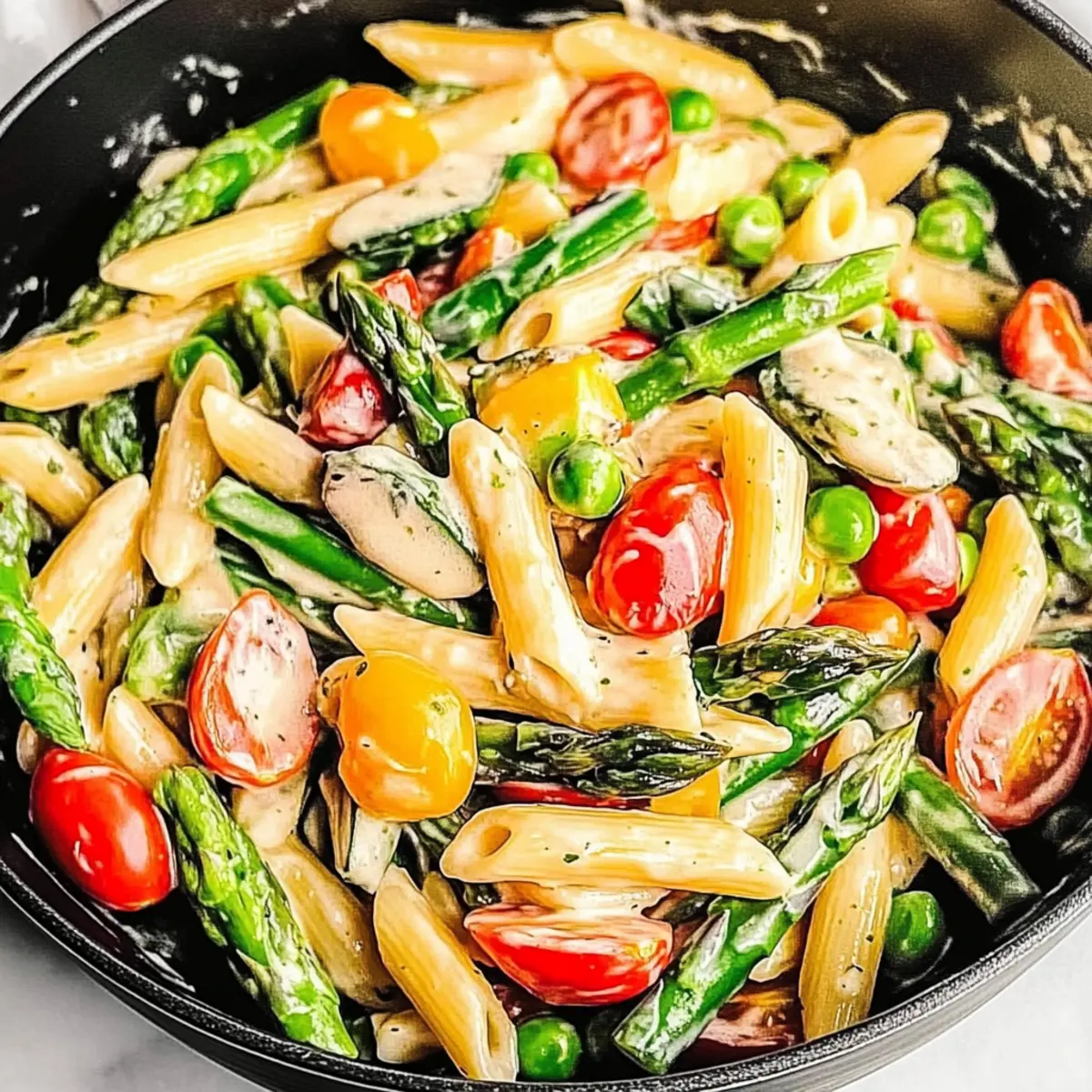
Delicious Spring Vegetable Pasta: Fresh, Light, and Vibrant!
Ingredients
Equipment
Method
- Bring a large pot of salted water to a rolling boil over high heat. Once boiling, add pasta and cook according to package instructions until al dente, about 8-10 minutes.
- While the pasta cooks, wash and chop your fresh spring vegetables including asparagus, cherry tomatoes, and peas.
- In a large skillet, heat olive oil over medium heat. Add chopped asparagus and sauté for about 3 minutes until they soften.
- Add peas and cherry tomatoes to the skillet, stirring frequently for an additional 4-5 minutes until vegetables are tender yet crisp.
- When your pasta is cooked, drain it, reserving a small cup of the starchy pasta water. Add the drained pasta to the skillet with sautéed vegetables.
- Squeeze in fresh lemon juice and add a splash of reserved pasta water, stirring to create a light sauce that coats the pasta and veggies.
- Season generously with salt and pepper to taste, and serve warm with crusty bread or a simple side salad.
Leave a Reply