
As I sifted through the vibrant lemons on my kitchen counter, an idea sparked – a Lemon Lavender Cake that dances on the palate and impresses with its elegance. This delightful recipe features the refreshing zing of lemon harmonizing with the delicate fragrance of lavender, turning a simple dessert into a memorable centerpiece for any celebration. Not only is this cake stunning to behold, but it’s also incredibly easy to whip up, making it a perfect choice for both novice bakers and seasoned chefs alike. Plus, it can be made gluten-free without sacrificing its moist and flavorful charm. Are you ready to create a dessert that will have everyone asking for seconds? Let’s dive in!
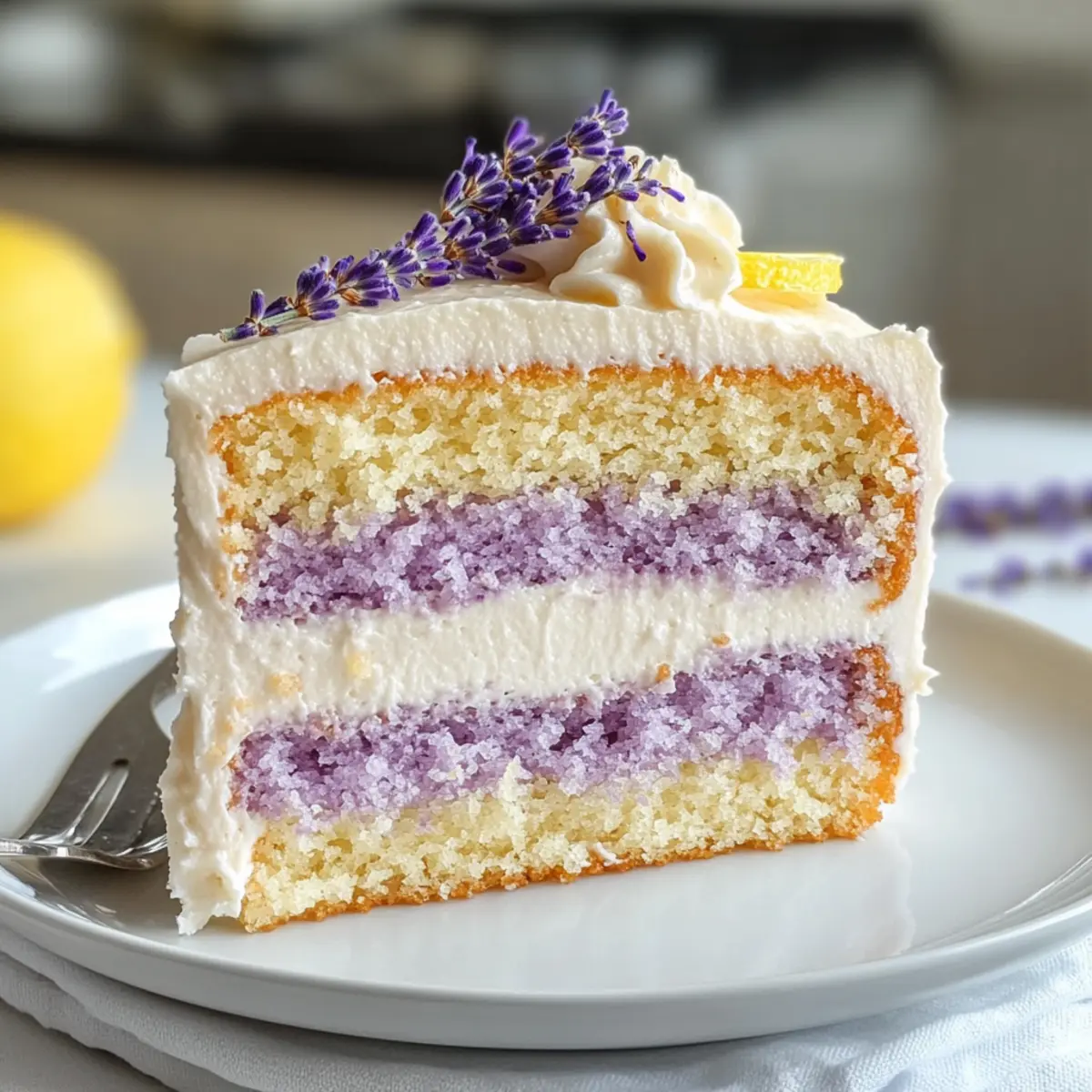
Why is Lemon Lavender Cake so special?
Unique Flavor Combination: The zesty lemon paired with fragrant lavender elevates this cake to new heights, offering a delightful twist that will intrigue your taste buds.
Effortless Elegance: Impress your guests without the stress of complex baking techniques—this recipe is straightforward and foolproof!
Versatile Delight: Perfect for any occasion, this cake shines at birthday parties, bridal showers, or even casual afternoon teas. Pair it with fresh berries or a scoop of ice cream for an extra touch of freshness.
Gluten-Free Option: Enjoy this cake’s dreamy texture without worry, as you can easily substitute with gluten-free flour for a delightful alternative.
Stunning Presentation: With its beautiful frosting and delicate lavender glaze, it’s a treat for both the eyes and the palate, destined to be the star of your dessert table.
Ready to explore more delicious recipes? Check out my Berry Peach Cheesecake for a vibrant summer treat!
Lemon Lavender Cake Ingredients
For the Cake Batter
• All-Purpose Flour – Provides structure; substitute with gluten-free flour blend for a gluten-free Lemon Lavender Cake.
• Baking Powder – Helps the cake rise, ensuring a light texture.
• Baking Soda – Enhances leavening; not necessary if using self-rising flour.
• Salt – Balances sweetness and enhances flavor.
• Unsalted Butter – Adds richness and moisture; use vegan butter for a dairy-free version.
• Granulated Sugar – Sweetens the cake and contributes to its texture.
• Eggs – Provide moisture and stability; substitute with flax eggs for a vegan option.
• Lemon Zest – Enhances the lemon flavor; freshly grated is recommended.
• Fresh Lemon Juice – Adds acidity and moisture; bottled juice may compromise flavor.
• Whole Milk – Contributes moisture; swap with almond or oat milk for a dairy-free alternative.
• Dried Lavender Buds – Imparts floral flavor; ensure culinary-grade for safety.
• Vanilla Extract – Enhances overall flavor; can be omitted for a more pronounced lavender taste.
For the Glaze and Frosting
• Powdered Sugar – Sweetens and thickens the glaze and frosting.
• Heavy Cream – Adds creaminess; substitute with coconut cream for a dairy-free option.
Dive into this delightful Lemon Lavender Cake, perfect for your next gathering or special celebration!
Step‑by‑Step Instructions for Lemon Lavender Cake
Step 1: Preheat Oven
Preheat your oven to 350°F (175°C). While the oven warms, prepare two 9-inch round cake pans by greasing and lightly flouring them, or lining them with parchment paper. This ensures the Lemon Lavender Cake will release easily after baking, yielding a perfectly shaped cake.
Step 2: Infuse Lavender
In a small saucepan, heat the whole milk over medium heat until it’s just about to boil, then add the dried lavender buds. Remove from heat and let the mixture steep for about 5 minutes. Once steeped, cool the milk completely, then strain to remove the lavender, revealing a fragrant infusion that will enhance the cake’s flavor.
Step 3: Mix Dry Ingredients
In a mixing bowl, whisk together the all-purpose flour, baking powder, baking soda, and salt until well combined. This step creates a uniform dry mix essential for the even rise of your Lemon Lavender Cake. Set the bowl aside to focus on creaming the butter and sugar next.
Step 4: Cream Butter and Sugar
In a large mixing bowl, beat the softened unsalted butter and granulated sugar together using an electric mixer on medium speed for 3 to 4 minutes. Continue beating until the mixture becomes light and fluffy, showcasing a pale yellow color, which indicates that the butter has been sufficiently aerated for your cake.
Step 5: Add Eggs and Flavorings
Add the eggs to the creamed butter one at a time, mixing well after each addition. Follow up by incorporating the lemon zest, fresh lemon juice, and vanilla extract until fully integrated. This step will infuse the batter with vibrant flavors, creating a delightful base for your Lemon Lavender Cake.
Step 6: Combine Mixtures
Gradually alternate adding the dry ingredient mixture and the lavender-infused milk to the wet ingredients, starting and ending with the dry mix. Gently combine each addition until just incorporated, being careful not to over-mix, as this can lead to a dense cake.
Step 7: Bake
Divide the batter evenly between the prepared cake pans. Bake in the preheated oven for 25 to 30 minutes, or until the cakes are golden and a toothpick inserted into the center comes out clean. Keep an eye on them to avoid over-baking, which could dry out the texture.
Step 8: Cool Cakes
Once baked, allow the cakes to cool in the pans for about 10 minutes. Then, carefully transfer them to a wire rack to cool completely. This cooling period is crucial to achieving the tender crumb characteristic of a perfect Lemon Lavender Cake.
Step 9: Glaze Preparation
In a small bowl, whisk together the powdered sugar, lemon juice, lemon zest, and a pinch of lavender until it reaches a smooth, pourable consistency. This glaze will add sweetness and a delightful floral note, enhancing the overall elegance of your cake.
Step 10: Frosting Preparation
In another bowl, beat together the softened butter until creamy. Gradually add in the powdered sugar, followed by the heavy cream, lemon juice, lemon zest, and a hint of lavender. Beat until it reaches a fluffy texture. This luscious frosting will envelop your Lemon Lavender Cake beautifully.
Step 11: Assemble Cake
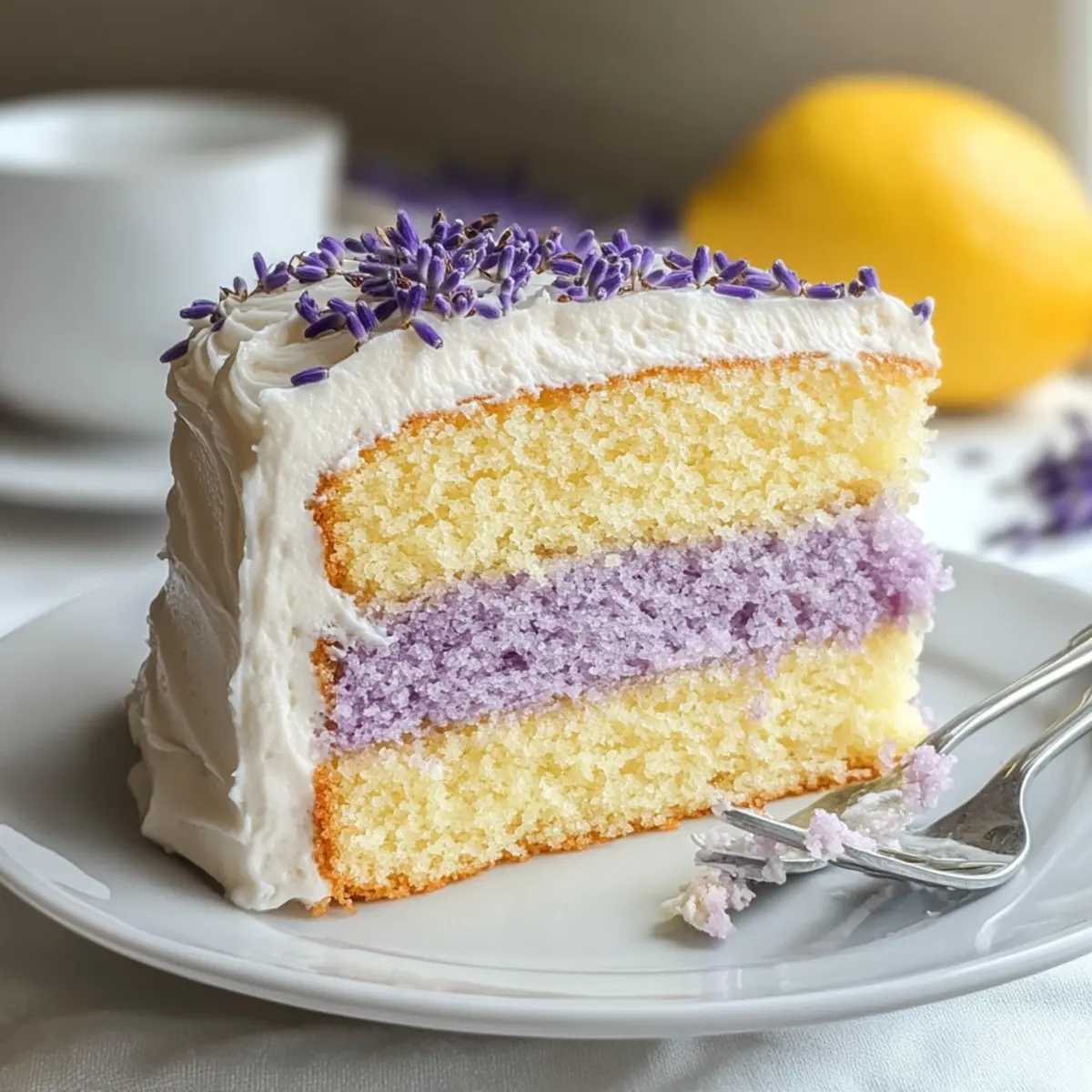
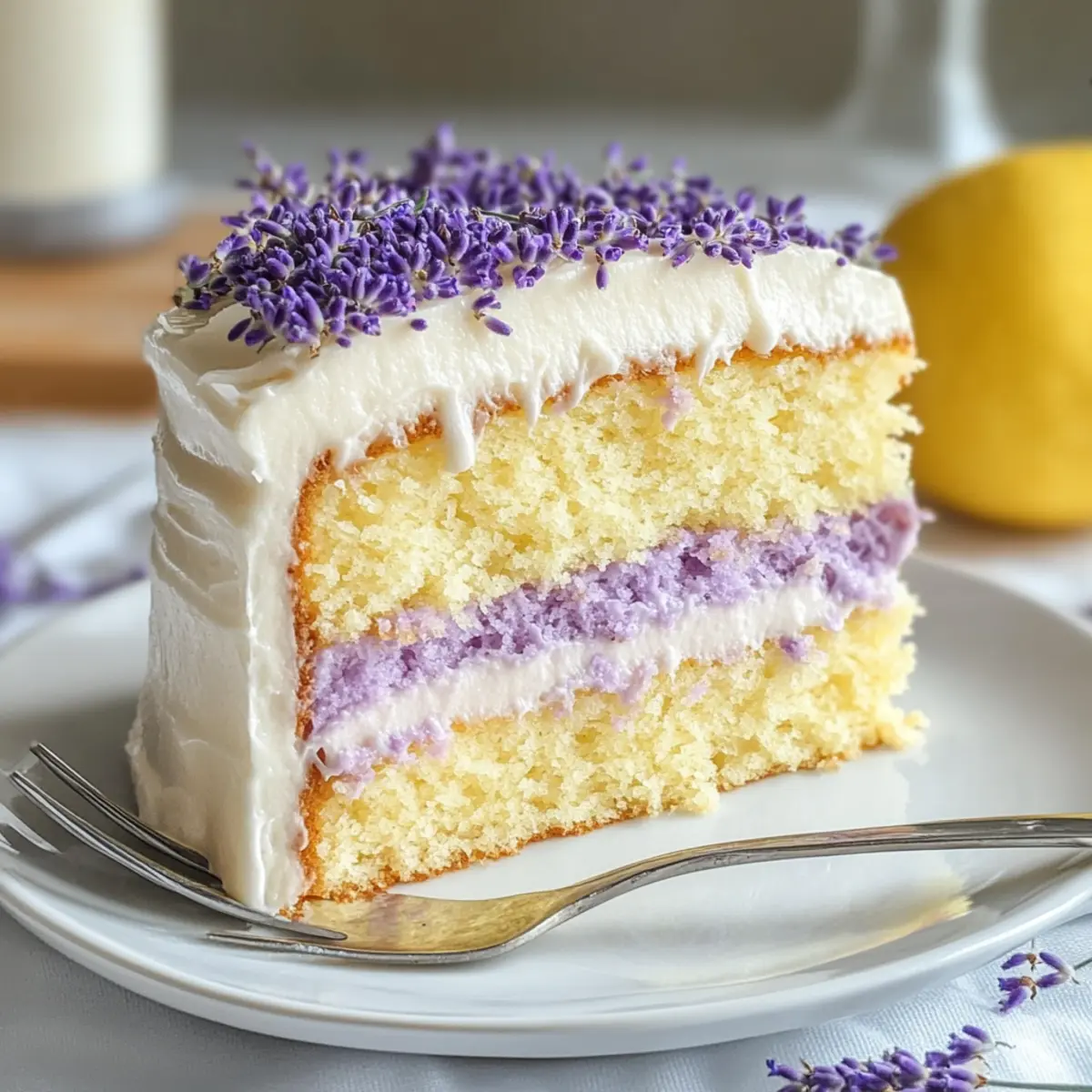
Once the cakes are completely cooled, layer frosting between the cake layers, then spread a generous amount over the top and sides of the assembled cake. Finally, drizzle the prepared glaze over the top, allowing it to drip enticingly down the sides, showcasing the spectacular flavors of your Lemon Lavender Cake.
Lemon Lavender Cake Variations & Substitutions
Feel free to explore these delightful twists that will bring your Lemon Lavender Cake to life with a personal touch!
-
Gluten-Free: Substitute all-purpose flour with a gluten-free blend to enjoy a deliciously moist cake without gluten.
-
Dairy-Free: Swap unsalted butter with vegan butter and replace whole milk with almond or oat milk for a dairy-free treat.
-
Vegan: Use flax eggs in place of regular eggs and coconut cream for a rich frosting that suits a vegan lifestyle. Your cake will still be wonderfully tender and flavorful.
-
Floral Twist: Experiment with rose water instead of lavender for a fragrant, floral aroma that adds a romantic touch to your cake.
-
Berry Delight: Fold in fresh raspberries or blueberries into the batter for a burst of color and flavor that pairs beautifully with the lemon and lavender.
-
Lemon Curd: Incorporate a layer of homemade lemon curd between the cake layers to intensify the lemon flavor and add a tangy surprise.
-
Citrus Variants: Try adding lime or orange zest for a citrus medley that brings a new layer of brightness to the cake.
-
Whipped Cream Topping: Serve slices of your cake with a dollop of lemon-infused whipped cream for an extra layer of lightness and fulfilling flavor.
Dive into more dessert inspirations like my Iced Blueberry Cheesecake or the Berry Peach Cheesecake that can spark your creativity in the kitchen!
What to Serve with Lemon Lavender Cake
The bright, refreshing flavors of this delightful cake can be beautifully complemented by these perfect pairings for your meal.
-
Fresh Berries: A mix of strawberries, blueberries, and raspberries offers a burst of color and tartness, enhancing the cake’s elegant flavors.
-
Whipped Cream: Light and fluffy, a dollop of whipped cream adds creaminess that balances the floral notes in the cake and provides a delightful contrast in texture.
-
Lemon Sorbet: This icy treat echoes the lemon flavor in the cake while adding a refreshing touch that cleanses the palate after each bite.
-
Herbal Tea: A warm cup of chamomile or mint tea harmonizes beautifully, its subtle flavors allowing the lavender to shine while providing a soothing experience.
-
Lavender Lemonade: Serve a chilled glass of lavender lemonade alongside to amplify the cake’s unique flavors, creating a cohesive and refreshing treat.
-
Cream Cheese Frosting: For an indulgent twist, serve the cake with a side of silky cream cheese frosting. This adds rich tanginess that wonderfully balances the sweetness of the cake.
How to Store and Freeze Lemon Lavender Cake
Room Temperature: Store the Lemon Lavender Cake in an airtight container at room temperature for up to 3 days. This will keep the cake moist and flavorful.
Fridge: If you want to prolong its freshness, place the cake in the refrigerator, covered, for up to a week. Just be aware that refrigeration may slightly alter its texture.
Freezer: You can freeze the layers of Lemon Lavender Cake wrapped tightly in plastic wrap and aluminum foil for up to 3 months. Thaw in the fridge overnight when ready to enjoy.
Reheating: To refresh the cake, warm individual slices in the microwave for about 10-15 seconds. You can add a dollop of whipped cream or a drizzle of glaze before serving for extra flavor!
Expert Tips for Lemon Lavender Cake
• Room Temperature Eggs: Ensure your eggs are at room temperature for better emulsification, which results in a lighter and fluffier Lemon Lavender Cake.
• Thoroughly Strain Lavender: Always strain the lavender-infused milk well to avoid any gritty texture in your cake. This ensures every bite is smooth and delightful.
• Avoid Over-Mixing: Once you add the dry ingredients, mix just until combined to prevent a dense cake. Remember, less is more for a tender crumb!
• Use Culinary-Grade Lavender: Make sure to use culinary-grade lavender for safe consumption. Avoid decorative varieties, as they may contain harmful chemicals.
• Fresh Lemon Makes a Difference: Freshly squeezed lemon juice provides a vibrant flavor that elevates your cake. Bottled juices can lack the necessary zest, compromising the taste.
Make Ahead Options
These Lemon Lavender Cakes are perfect for busy home cooks looking to save time! You can prepare the cake layers up to 3 days in advance by baking them, cooling completely, and then wrapping them tightly in plastic wrap before refrigerating. The glaze can also be made ahead and stored in the refrigerator for up to 5 days, ensuring it’s fresh when you drizzle it over the cake. When you’re ready to serve, simply pull the cakes from the fridge, allow them to come to room temperature for about 30 minutes, then frost and glaze them for a stunning presentation. This way, you’ll enjoy all the delightful flavors of your Lemon Lavender Cake with minimal effort on the day of your gathering!
Lemon Lavender Cake Recipe FAQs
How do I select the right lavender for my Lemon Lavender Cake?
Absolutely! Make sure to use culinary-grade dried lavender buds, which are safe for consumption. Avoid decorative lavender, as it may contain pesticides or chemicals that are harmful. A good visual cue is to look for lavender that’s vibrant and fragrant rather than faded or dull.
How should I store my Lemon Lavender Cake?
You can keep your Lemon Lavender Cake in an airtight container at room temperature for up to 3 days, which helps maintain its moisture and flavor. If you prefer, you can also refrigerate it for up to a week, although this may slightly alter the cake’s texture.
Can I freeze my Lemon Lavender Cake for later?
Very! To freeze the layers, wrap each one tightly in plastic wrap and then in aluminum foil to prevent freezer burn. They can be stored in the freezer for up to 3 months. When you’re ready to enjoy it, simply thaw in the refrigerator overnight. You can frost it just before serving for the best results!
What if my cake turns out dense or dry?
If you find your cake is dense or dry, it may be due to over-mixing the batter after adding the dry ingredients. To avoid this, mix gently until just combined. Also, ensure your oven temperature is accurate; using an oven thermometer can help. If using a different flour, make sure to adjust the quantities carefully to maintain moisture.
Are there any allergens I should be aware of in this recipe?
Good question! This Lemon Lavender Cake contains common allergens such as eggs, dairy (butter and milk), and wheat (flour). For a gluten-free option, you can substitute the all-purpose flour with a gluten-free blend. If you’re baking for someone with an egg allergy, you could use flax eggs as a substitute—mix 1 tablespoon of ground flaxseed with 2.5 tablespoons of water for each egg.
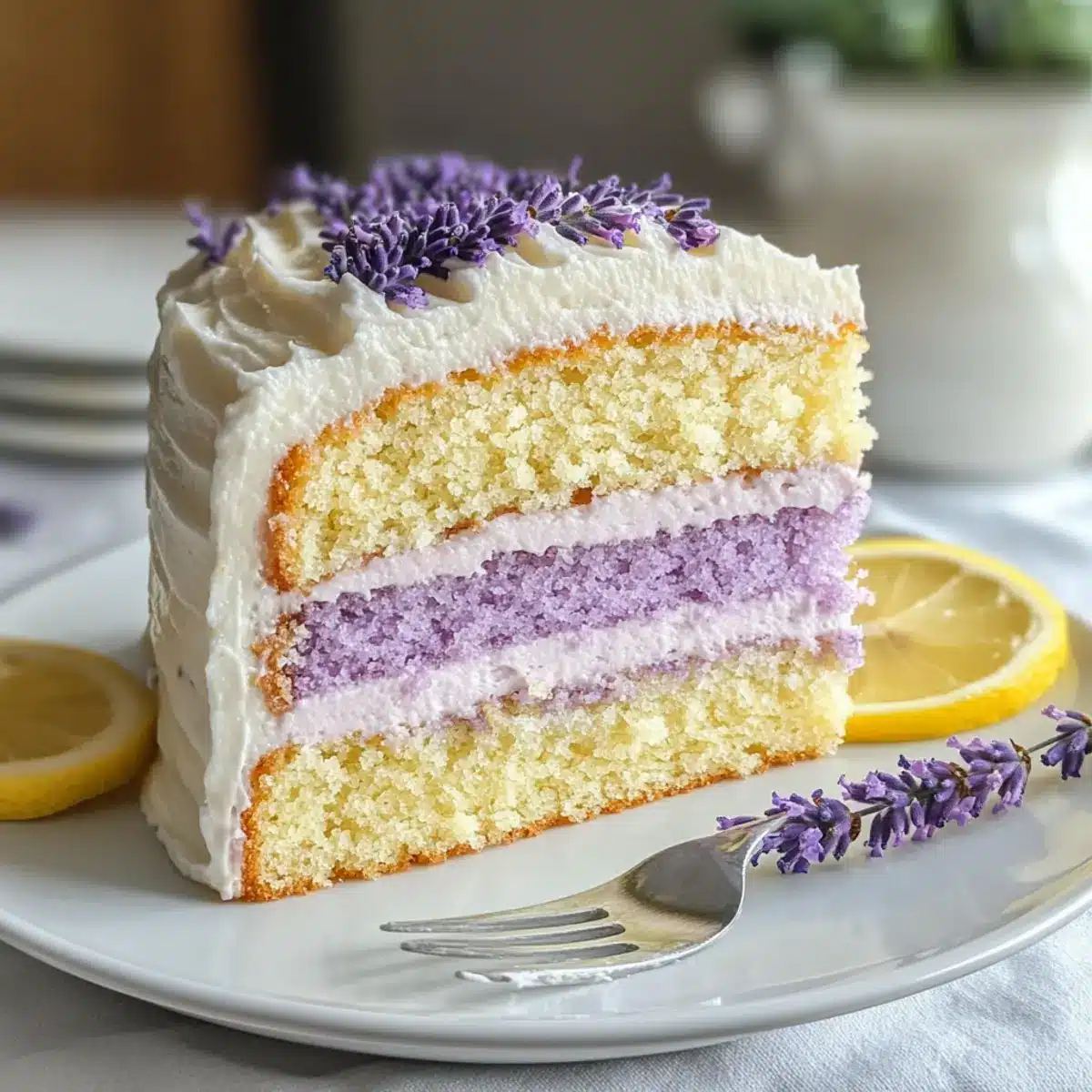
Lemon Lavender Cake: A Delightfully Fresh Dessert Treat
Ingredients
Equipment
Method
- Preheat your oven to 350°F (175°C) and prepare two 9-inch round cake pans.
- In a small saucepan, heat the whole milk and add the dried lavender buds. Steep and strain after cooling.
- Whisk together flour, baking powder, baking soda, and salt in a bowl.
- Cream softened butter and sugar until light and fluffy.
- Add eggs one at a time followed by lemon zest, lemon juice, and vanilla extract.
- Gradually mix dry ingredients and lavender-infused milk into the wet mixture.
- Divide batter between cake pans and bake for 25 to 30 minutes, until golden.
- Cool cakes in pans for 10 minutes before transferring to wire racks to cool completely.
- Prepare glaze by whisking powdered sugar with lemon juice, lemon zest, and lavender until smooth.
- Beat powdered sugar, cream, lemon juice, lemon zest, and lavender for frosting until fluffy.
- Layer frosting between cooled cakes and cover with remaining frosting and drizzle glaze on top.
Leave a Reply