
The sweltering heat of summer has me dreaming about vibrant flavors that transport me to tropical shores. Enter my Quick and Easy Thai Coconut Shrimp Curry, a dish that delivers a delightful blend of taste and nutrition in just 30 minutes. Imagine plump, juicy shrimp nestled in a velvety coconut sauce, complemented by crisp bell peppers—a gorgeous sight as well as a tantalizing treat for the taste buds. This recipe not only saves time during busy weeknights but also brings the excitement of Thai cuisine into your home. Whether you’re whipping up a casual dinner or dazzling guests at a gathering, this curry promises to impress. Curious how to create this mouthwatering dish that feels like a mini-vacation on a plate? Let’s dive in!
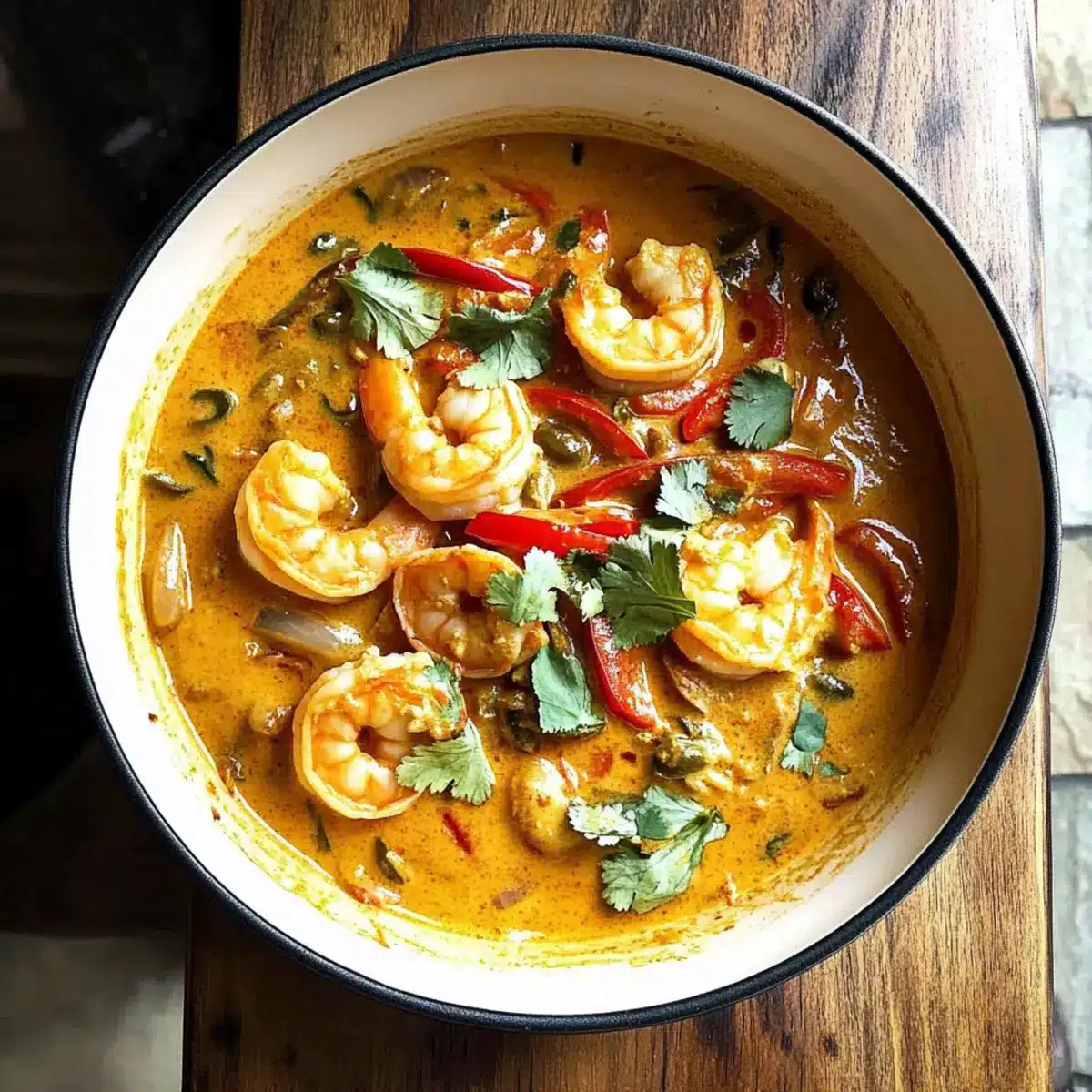
Why Will You Love Thai Coconut Shrimp Curry?
Speedy Preparation: This dish is ready in just 30 minutes, perfect for busy weeknights when you want something delicious without spending hours in the kitchen.
Bursting with Flavor: The combination of shrimp, coconut milk, and Thai red curry paste creates a rich flavor profile that dances on your palate—definitely a step up from fast food!
Versatile Ingredients: Feel free to customize with your favorite vegetables or proteins, like substituting shrimp with chicken, tofu, or even adding broccoli and snap peas.
Crowd-Pleasing Delight: Whether serving a family or hosting friends, this curry is sure to impress everyone! Pair it with jasmine rice or a refreshing cucumber salad to elevate the meal even further.
Nutritious and Satisfying: With a balance of protein, healthy fats, and wholesome veggies, this dish checks all the boxes for a nourishing dinner option.
For more exciting flavors, be sure to check out my Thai Shrimp Curry and Coconut Milk Chicken recipes!
Thai Coconut Shrimp Curry Ingredients
• Discover the essentials to make a mouthwatering Thai coconut shrimp curry!
For the Curry
- Shrimp – use peeled and deveined for quick preparation.
- Low Sodium Soy Sauce – adds a hint of umami; tamari works for gluten-free.
- Red Pepper Flakes – adjust based on your spice preference for the curry.
- Turmeric – use fresh if possible for enhanced flavor and vibrant color.
- Garlic Powder – provides depth; fresh garlic can also be used.
- White Pepper – for a subtle heat; black pepper can substitute.
- Vegetable Oil & Unsalted Butter – for sautéing; olive oil makes a dairy-free option.
- Bell Pepper – adds sweetness and crunch; zucchini or bok choy work well too.
- Garlic & Freshly Grated Ginger – essential for aroma and flavor depth; fresh is best.
- Shallot – offers a mild onion flavor; substitute with finely chopped onion if needed.
- Chicken Broth or Vegetable Broth – use vegetable broth for a vegetarian-friendly dish.
- Thai Red Curry Paste – the flavor powerhouse; choose mild for less spice if desired.
- Brown Sugar – balances heat and spice with subtle sweetness; maple syrup or coconut sugar work too.
- Ground Cumin & Ground Coriander – for aromatic depth; can be omitted if necessary.
- Fish Sauce – enhances umami; substitute with soy sauce for a vegetarian meal.
- Coconut Milk – makes the sauce creamy; full-fat gives the best results.
- Lime Juice – brightens flavors and adds acidity; adjust to taste.
- Sriracha (optional) – for those who crave extra heat; feel free to omit for a milder dish.
- Thai Basil – a fragrant garnish; regular basil can be used in a pinch.
For Toppings
- Scallions – provide a fresh crunch.
- Fried Onions – add texture and flavor.
- Cilantro – offers brightness and flavor enhancement.
- Chili Pepper – for added spice and visual appeal.
This Thai Coconut Shrimp Curry will not only tantalize your taste buds but also become a favorite go-to for meals at home!
Step‑by‑Step Instructions for Thai Coconut Shrimp Curry
Step 1: Prepare the Shrimp
In a mixing bowl, combine your peeled and deveined shrimp with low sodium soy sauce, red pepper flakes, turmeric, garlic powder, and white pepper. Toss them well to ensure each shrimp is coated in the marinade. Set aside for about 10 minutes to allow the flavors to infuse while you prep your other ingredients.
Step 2: Chop Aromatics
Grate fresh ginger and garlic, slice the shallot finely, and chop the bell pepper into bite-sized pieces. This colorful medley will add depth and freshness to your Thai Coconut Shrimp Curry. Gather your ingredients so they are ready to be added quickly in the next steps, ensuring a smooth cooking process.
Step 3: Sear the Shrimp
Heat a large skillet over medium-high heat and activate the oil and unsalted butter until shimmering. Gently add the marinated shrimp to the skillet, allowing them to sear for about 1 minute on each side, or until they turn pink and opaque. Once done, remove them from the skillet and set aside; this ensures they don’t overcook later.
Step 4: Sauté the Vegetables
In the same skillet, add the chopped bell pepper and sauté for about 5 minutes until they become slightly tender. Then throw in the grated garlic, ginger, and shallots, cooking for another 2 minutes until fragrant. A lovely aroma should fill your kitchen, signaling that it’s time to proceed to the next step.
Step 5: Deglaze the Skillet
Pour in the chicken or vegetable broth to deglaze the skillet, scraping the bottom to lift the flavorful bits stuck on the pan. Allow this mixture to simmer for about 2 minutes, which will help build the flavor base for your Thai Coconut Shrimp Curry.
Step 6: Incorporate Curry Paste
Stir the red curry paste, brown sugar, turmeric, cumin, coriander, white pepper, soy sauce, and fish sauce into the broth mixture in the skillet. Allow it to cook for 1 minute, stirring constantly until all the spices are well-blended and aromatic, creating a vibrant flavor profile for your curry.
Step 7: Create the Curry Base
Add the rich coconut milk to the skillet, stirring well to combine. Bring the mixture to a gentle boil, then reduce the heat to simmer for about 5 minutes, allowing the sauce to thicken and meld beautifully. The creamy mixture should look luxurious and inviting, perfect for the shrimp to soak up the flavor.
Step 8: Finish with Lime and Shrimp
Stir in the fresh lime juice, sriracha (if using), and Thai basil into the curry sauce. Carefully return the sautéed shrimp to the skillet and let simmer for an additional minute to warm them through, ensuring they maintain their tender texture amidst the rich sauce.
Step 9: Serve and Garnish
Spoon your vibrant Thai Coconut Shrimp Curry into bowls, garnishing with chopped cilantro, crispy fried onions, and chili pepper slices for an extra kick. Serve over fluffy jasmine rice or alongside a refreshing cucumber salad for a complete and satisfying meal that will transport you to the tropics with every bite.
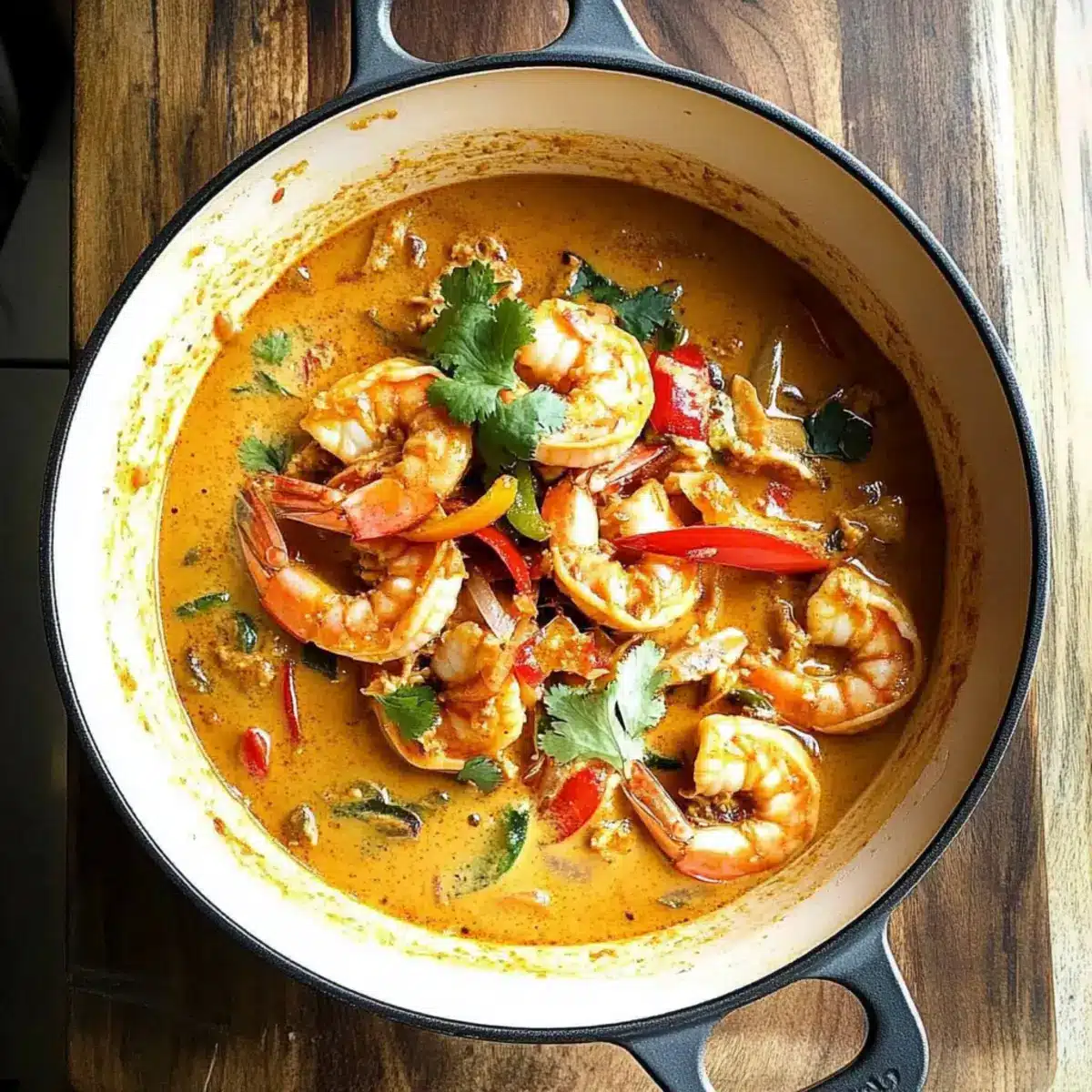
What to Serve with Thai Coconut Shrimp Curry?
Elevate your dining experience with these delightful side dishes that perfectly complement the rich flavors of your Thai coconut shrimp curry.
-
Jasmine Rice: A classic pairing, jasmine rice absorbs the creamy coconut sauce beautifully, completing each bite with a fragrant touch.
-
Cucumber Salad: This crisp and refreshing salad balances the richness of the curry, providing a cool contrast that invigorates your palate.
-
Thai Spring Rolls: Filled with fresh vegetables and herbs, these rolls add a delightful crunch, enhancing the meal’s flavors and textures.
-
Mango Sticky Rice: For dessert, this sweet treat mingles tropical flavors with coconut, creating a harmonious finish to your Thai-inspired meal.
-
Sautéed Bok Choy: Lightly sautéed, it brings a tender yet crunchy element that pairs nicely with the curry’s creaminess.
-
Lemongrass Iced Tea: This fragrant drink adds a refreshing zing, wonderfully complementing the spices of the curry while keeping you cool.
Embrace this flavorful journey that turns a simple dinner into a vibrant culinary adventure.
Expert Tips for Thai Coconut Shrimp Curry
-
Prep Like a Pro: Before you start cooking, chop all your ingredients and measure everything out. This makes the cooking process smoother and faster.
-
Mind the Shrimp: Cook shrimp just until they turn pink to maintain their tender texture. Overcooking can lead to rubbery shrimp—nobody wants that!
-
Adjust Spice to Taste: Remember, not all red curry pastes are created equal! Start with a smaller amount and adjust as you go to get your perfect heat level.
-
Make It Yours: Feel free to replace shrimp with chicken or tofu, or throw in additional vegetables like snap peas or broccoli for extra nutrition and color.
-
Don’t Skip the Lime: Fresh lime juice is key to balancing the flavors in your Thai Coconut Shrimp Curry. Adjust the amount based on your taste preference for the ideal zing!
Make Ahead Options
These Thai Coconut Shrimp Curry preparations are perfect for busy home cooks! You can marinate the shrimp with soy sauce, red pepper flakes, turmeric, garlic powder, and white pepper up to 24 hours in advance to infuse flavor deeply. The base sauce can also be prepared ahead and stored in the refrigerator for up to 3 days; just reheat it gently on the stove. To maintain quality, make sure to avoid overcooking the shrimp by adding them to the sauce during the last couple of minutes of cooking before serving. With these make-ahead tips, you can enjoy a delicious Thai Coconut Shrimp Curry with minimal effort on busy weekdays!
How to Store and Freeze Thai Coconut Shrimp Curry
Airtight Container: Store leftover Thai Coconut Shrimp Curry in an airtight container in the fridge for up to 3 days to maintain freshness and avoid contamination.
Freezer Friendly: If freezing, portion the curry into freezer-safe containers or bags, ensuring to leave some space as liquids expand when frozen; it can be stored for up to 2 months.
Reheating Tips: When ready to enjoy, thaw in the fridge overnight and reheat gently on the stovetop over low heat, stirring occasionally to maintain the creamy texture.
Avoid Freezing Shrimp: For the best texture, it’s recommended to freeze only the curry without the shrimp; add fresh shrimp when reheating for optimal taste and quality.
Thai Coconut Shrimp Curry Variations
Feel free to give your Thai Coconut Shrimp Curry a personal touch—experimenting with flavors and ingredients can transform your meal into something truly special!
-
Dairy-Free: Substitute unsalted butter with coconut oil or olive oil for a delicious dairy-free option.
Coconut oil will enhance the tropical flavor, while olive oil adds a Mediterranean twist to your curry. -
Vegetable Boost: Add snap peas, zucchini, or bok choy for extra crunch and nutrition.
These bright vegetables will also give your dish a lovely color, making it visually appealing. -
Protein Swap: Use chicken, tofu, or tempeh instead of shrimp for alternative protein options.
Each protein brings its unique flavor; for instance, chicken pairs beautifully with the curry’s rich sauce. -
Heat Levels: Adjust the red pepper flakes or add sriracha for a fiery kick.
Whether you’re a heat lover or prefer mild, this flexibility allows you to cater to everyone’s taste buds. -
Coconut Milk Variations: Opt for light coconut milk to reduce calories while maintaining creaminess.
Its lighter version offers a healthier alternative without sacrificing that luscious flavor. -
Herb Infusion: Experiment with fresh herbs like cilantro, mint, or even parsley for a unique flavor twist.
A sprinkle of mint or parsley can add an unexpected freshness that brings the whole dish to life. -
Different Curry Paste: Explore green or yellow curry paste for different flavor profiles.
Each paste offers its signature taste; green adds a herby punch, while yellow offers earthy warmth.
For more inspiring variations, don’t forget to check out my Shrimp Balls Recipe and New Orleans Shrimp that also play with flavor!
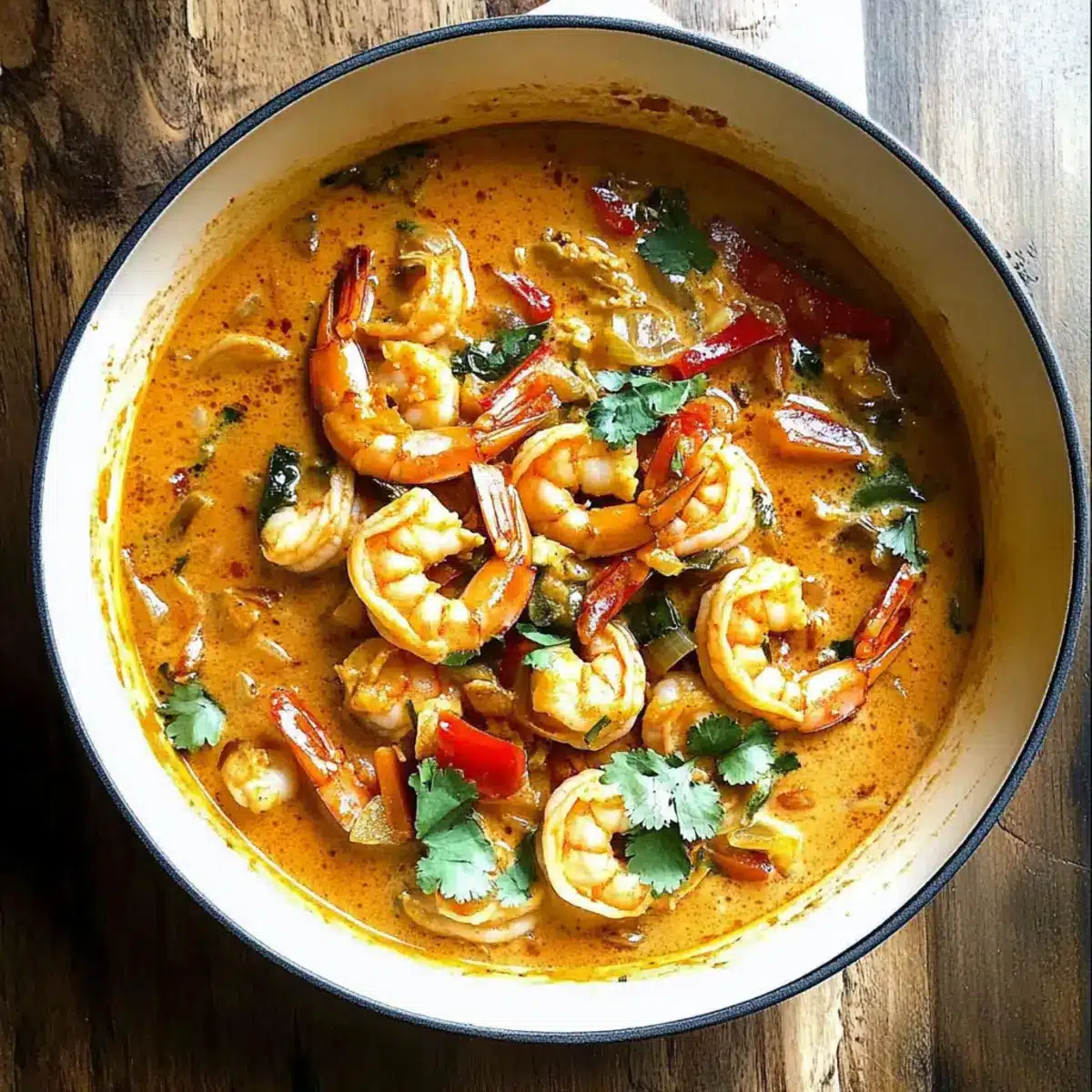
Thai Coconut Shrimp Curry Recipe FAQs
How do I select fresh shrimp?
Absolutely! When choosing shrimp, look for those that are firm, have a slight sheen, and a fresh, ocean-like smell. Avoid any shrimp with dark spots or a strong fishy odor, as this indicates they may not be fresh. If possible, buy them from a reputable source for the best quality.
What’s the best way to store leftovers?
To keep your Thai Coconut Shrimp Curry tasting great, store any leftovers in an airtight container in the fridge for up to 3 days. Be sure it cools to room temperature before sealing it up to avoid condensation, which can affect texture and flavor.
Can I freeze Thai Coconut Shrimp Curry?
Very! You can freeze the curry without shrimp for optimal texture. Portion it into freezer-safe containers, leaving a little space at the top for expansion, and freeze for up to 2 months. When you’re ready to enjoy, simply thaw it in the fridge overnight and reheat on the stovetop. For best results, add fresh shrimp during reheating to prevent them from becoming rubbery.
What should I do if my shrimp becomes rubbery?
If you accidentally overcook your shrimp, don’t worry—this happens to the best of us! The key is to cook shrimp just until they turn pink and opaque. If they do turn rubbery, tenderizing them is tricky, but try soaking them in warm water with a splash of lemon juice for a few minutes before serving; this can help revive some tenderness.
Is this recipe suitable for people with allergies?
Yes, it can be! If you’re gluten-sensitive, simply replace soy sauce with tamari. For seafood allergies, consider using chicken or tofu as alternatives. Always check specific ingredient labels to be sure they align with dietary needs, especially with sauces like fish sauce.
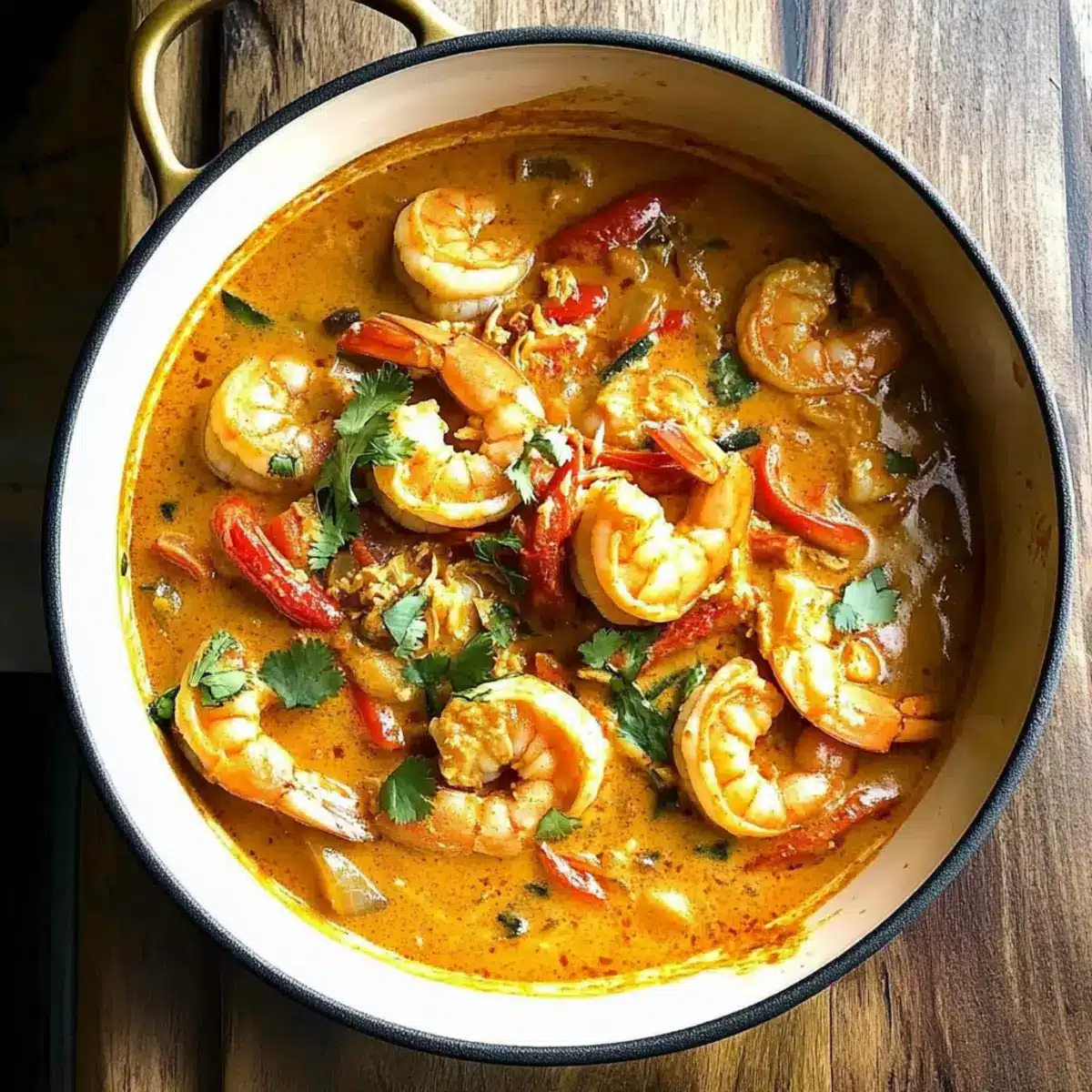
Quick Thai Coconut Shrimp Curry for a Flavorful Weeknight Win
Ingredients
Equipment
Method
- In a mixing bowl, combine shrimp with soy sauce, red pepper flakes, turmeric, garlic powder, and white pepper. Toss and set aside for 10 minutes.
- Grate ginger and garlic, slice the shallot, and chop the bell pepper.
- Heat skillet over medium-high heat with oil and butter. Sear shrimp for 1 minute on each side until pink. Remove and set aside.
- In the same skillet, sauté bell pepper for 5 minutes, then add garlic, ginger, and shallots for 2 minutes.
- Pour in broth to deglaze the skillet, scraping the bottom for flavor, and simmer for 2 minutes.
- Stir in curry paste, brown sugar, turmeric, cumin, coriander, white pepper, soy sauce, and fish sauce. Cook for 1 minute.
- Add coconut milk, stir, bring to a boil, then simmer for 5 minutes.
- Stir in lime juice, sriracha, and Thai basil. Return shrimp to skillet and simmer for an additional minute.
- Serve in bowls garnished with cilantro, fried onions, and chili pepper slices.
Leave a Reply