
The moment the aroma of spices dances through the air, you know something wonderful is about to happen in your kitchen. My go-to recipe for Moroccan Roast Lamb transforms an ordinary day into a flavorful adventure, featuring a hearty, tender dish that’s perfect for gathering loved ones around the table. With just a handful of ingredients and an easy slow-roasting method, this delightful recipe not only promotes comfort but is also dairy-free and gluten-free, making it suitable for various dietary needs. Imagine the joy of serving this succulent lamb, beautifully spiced and irresistibly tender, nestled in warm bread rolls as everyone digs in! Curious to learn the simple steps to create this comforting meal? Let’s dive into the magic of Moroccan flavors!
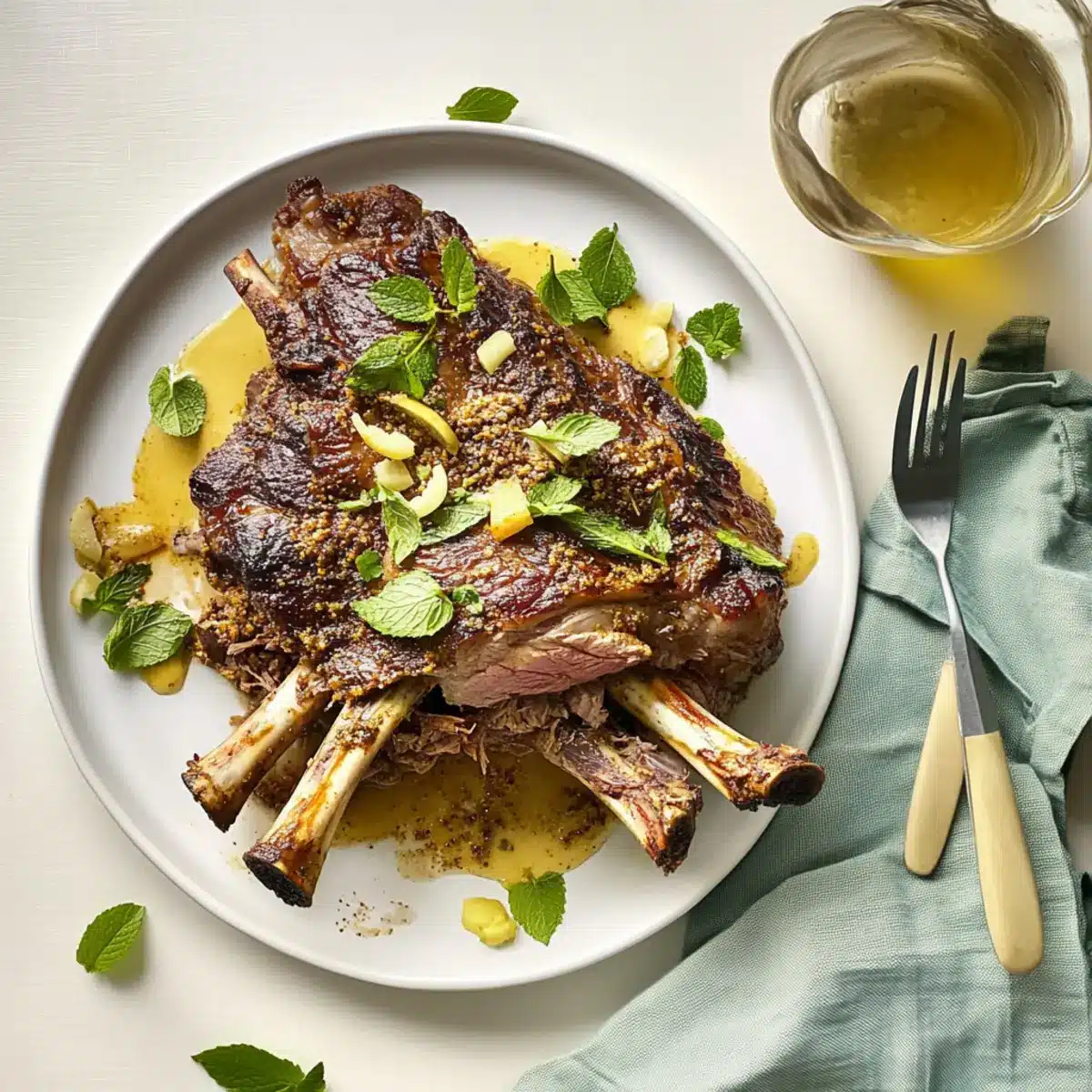
Why is Moroccan Roast Lamb a must-try?
Melt-in-your-mouth tenderness: Each bite offers a deliciously tender experience, thanks to the slow-roasting method.
Aromatic spice blend: The unique combination of spices creates a rich flavor profile that transports you directly to Morocco.
Diet-friendly: This dish is dairy-free, gluten-free, and suitable for various dietary needs, making it a versatile choice for gatherings.
Crowd-pleaser: Perfect for family dinners or celebrations, it brings everyone together for a satisfying meal.
Simple preparation: With minimal ingredients and easy steps, you can impress your guests without spending hours in the kitchen. For more culinary inspiration, check out my Slow Cooker Roast or the flavorful Oven Roasted Brisket.
Moroccan Roast Lamb Ingredients
For the Lamb
- Lamb Shoulder – The shoulder cut ensures tenderness when slow-roasted.
- Olive Oil – Adds fat and moisture, aiding in flavor absorption.
- Garlic – Provides a robust aromatic flavor; fresh is preferred for the best taste.
For the Spice Rub
- Ground Cumin – Offers a warm, earthy flavor, characteristic of Moroccan cuisine.
- Ground Ginger – Adds a hint of warmth and spice; fresh ginger can elevate the taste further.
- Ground Coriander – Introduces a citrusy note that brightens the dish.
- Paprika – Adds color and mild sweetness, enriching the overall flavor.
- Ground Turmeric – Contributes a warm color and subtle, earthy flavor.
- Black Pepper – Enhances the overall spice profile, adding depth.
- Cayenne Pepper – Provides heat; adjust to taste for your preferred spice level.
- Salt – Essential for flavor enhancement, bringing all the spices together.
For Garnishing
- Fresh Mint Leaves – Adds a burst of freshness, perfectly complementing the rich flavors.
- Toasted Flaked Almonds – For crunchy texture and nutty flavor, elevating the dish’s appeal.
Step‑by‑Step Instructions for Moroccan Roast Lamb
Step 1: Preheat the Oven
Start by preheating your oven to 180°C (160°C for fan-assisted ovens) or Gas mark 4. This initial step ensures that your Moroccan roast lamb begins cooking at the right temperature for optimal melting tenderness. While the oven heats, prepare your roasting equipment, as a large roasting tin will be essential for the next steps.
Step 2: Prepare the Lamb
Place the lamb shoulder skin-side up in the large roasting tin. This position allows the fat side to baste the meat as it cooks, enhancing the flavors and moisture. Ensure the lamb is centered in the tin to allow even roasting. The visual cue here will be the fat seam on top, which helps in creating a crispy skin.
Step 3: Mix the Spice Rub
In a medium-sized bowl, combine olive oil, minced garlic, ground cumin, ginger, coriander, paprika, turmeric, black pepper, cayenne pepper, and salt. Stir until the spices form a cohesive mixture that is thick yet smooth. This aromatic spice rub is the heart of your Moroccan roast lamb, encapsulating all the warm and tantalizing flavors you want to achieve.
Step 4: Season the Lamb
Make deep incisions all over the lamb shoulder, about 1 inch apart. This technique allows the spice mixture to penetrate the meat thoroughly. Generously rub the prepared spice mixture into the incisions and all over the lamb, ensuring every inch is covered for maximum flavor. You should see the spices clinging to the meat as you work the rub in.
Step 5: Cover and Roast
Cover the roasting tray tightly with aluminum foil, sealing in the moisture. Place it in the preheated oven and roast for 3 hours, basting the lamb every 45 minutes with the juices that collect in the pan. This technique not only helps in consistently moistening the lamb but also enhances the succulent flavor profile of your Moroccan roast lamb.
Step 6: Uncover and Crisp the Skin
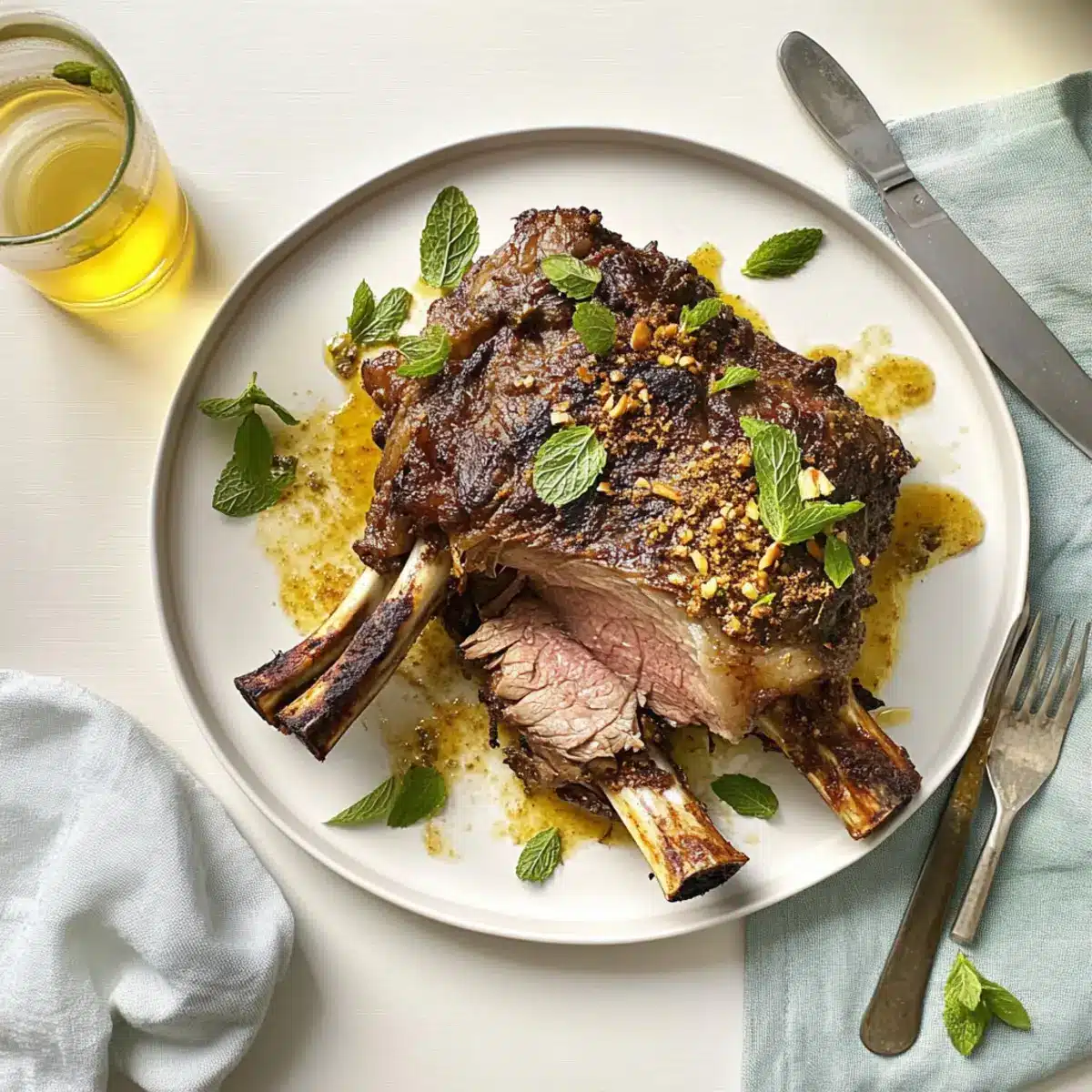
After 3 hours, carefully remove the foil from the roasting tin, being mindful of the hot steam. Continue roasting the lamb uncovered for an additional 35 to 45 minutes. This step is crucial, as it allows the skin to turn golden brown and crisp while the meat stays tender. You’ll know it’s ready when the skin has a beautiful, caramelized finish.
Step 7: Let it Rest
Once the lamb is beautifully roasted, remove it from the oven and let it rest for 15 minutes. This resting period allows the juices to redistribute within the meat, ensuring each bite of your Moroccan roast lamb is incredibly juicy and flavorful. Use a meat thermometer if needed, aiming for an internal temperature of around 74°C (165°F) for optimal doneness.
Step 8: Shred and Serve
Using two forks, gently shred the lamb into succulent pieces. This method not only makes serving easier but also showcases the tender texture achieved through slow roasting. Serve the shredded lamb garnished with fresh mint leaves and toasted flaked almonds, creating a delightful contrast of color and flavor. Enjoy this mouthwatering Moroccan roast lamb as a joyfully shared meal with loved ones!
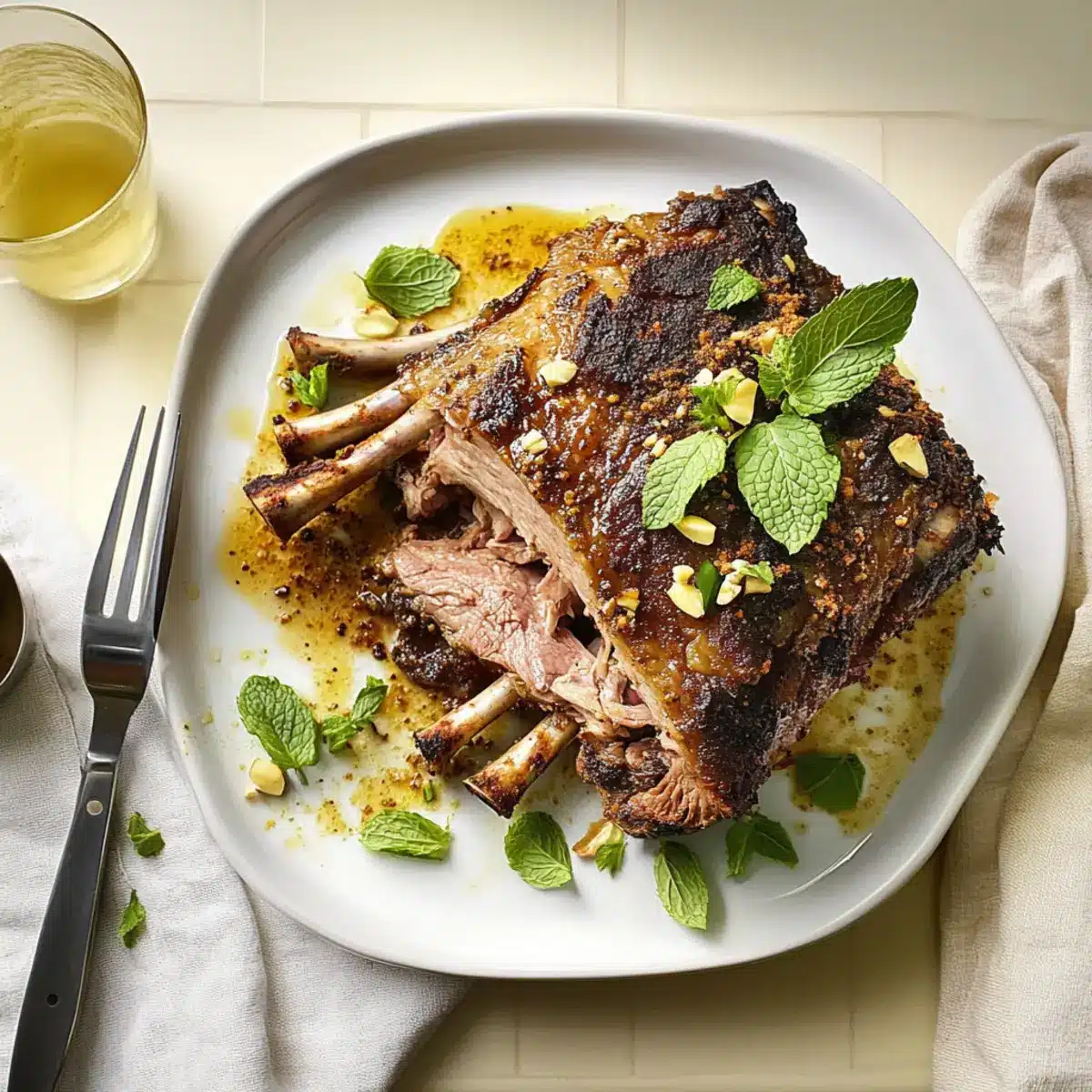
How to Store and Freeze Moroccan Roast Lamb
Fridge: Store leftover Moroccan roast lamb in an airtight container for up to 3 days. Ensure it’s fully cooled to room temperature before refrigerating to maintain freshness.
Freezer: Freeze the lamb in a sealed, freezer-safe bag for up to 3 months. Be sure to remove excess air before sealing to prevent freezer burn.
Reheating: Thaw frozen lamb in the fridge overnight, then reheat gently in the oven or on the stovetop over low heat. This helps retain moisture and flavor.
Airtight Packaging: For best results, wrap the lamb tightly in plastic wrap before placing it in a container or bag to ensure it remains flavorful and protected from odors.
Expert Tips for Moroccan Roast Lamb
-
Deep Incisions: Make sure to create deep cuts in the lamb, allowing the spice rub to thoroughly penetrate the meat for maximum flavor absorption.
-
Regular Basting: Don’t skip the basting process every 45 minutes; it helps keep the Moroccan roast lamb moist and enhances the savory taste of the spices.
-
Foil Technique: Covering the lamb tightly with foil during the first roasting phase is crucial; it retains moisture and ensures tender meat before achieving that crispy skin.
-
Resting Period: Allow the lamb to rest for at least 15 minutes after roasting. This step redistributes the juices, resulting in a more flavorful and succulent dish.
-
Adjusting Spice Levels: If you prefer more heat, don’t hesitate to increase the cayenne pepper in the spice rub. Adjust according to your spice tolerance for the best Moroccan roast lamb experience!
Moroccan Roast Lamb Variations & Substitutions
Feel free to play around with this recipe and personalize it to suit your taste buds and dietary needs!
- Beef Alternative: Substitute lamb shoulder with beef chuck for a different flavor and texture; adjust the cooking time as needed.
- Poultry Twist: Use chicken thighs or drumsticks instead of lamb for a lighter option that still delivers juicy, flavorful results.
- Vegetarian Delight: Replace the lamb with hearty vegetables like eggplant and zucchini; adjust roasting time for tender, delicious results.
- Fruit Infusion: Add diced dried apricots or raisins to the roasting pan for a touch of sweetness that complements the spices beautifully.
- Spice Adjustment: Experiment with spice levels by incorporating cinnamon or cardamom for additional warmth; it can enhance the Moroccan flair.
- Nut-Free Version: Omit the flaked almonds to accommodate nut allergies while still keeping the dish flavorful and crunchy with vegetables.
- Herb Upgrade: Try adding fresh cilantro or parsley in place of mint for a different fresh herb flavor that brightens the dish in its own unique way.
Explore more flavor combinations and cooking techniques that can elevate your meals, such as my hearty Italian Pot Roast Stracotto or the savory Korean Style Pot Roast. Your culinary journey is just a recipe away!
What to Serve with Moroccan Roast Lamb
Elevate your dining experience with these delightful pairings that beautifully complement the warm flavors of Moroccan culinary traditions.
-
Warm Bread Rolls: Perfectly soft and fluffy, they soak up the savory juices, creating a satisfying bite.
-
Moroccan Flatbreads: These traditional breads are great for wrapping lamb, adding a delightful chewy texture that enhances every mouthful.
-
Couscous Salad: Light and refreshing, this dish adds a lovely contrast with fresh herbs and zesty lemon, balancing the richness of the lamb.
-
Roasted Vegetables: Caramelized and slightly sweet, roasted root vegetables bring natural sweetness that pairs wonderfully with the spice of the lamb.
-
Chickpea and Olive Salad: A protein-packed side that adds a deliciously cool touch, making each forkful a burst of flavor.
-
Minty Yogurt Sauce: Cool and creamy, this sauce contrasts the hearty meat, offering a refreshing brightness with each bite.
-
Herbed Quinoa: This nutty side with fresh herbs not only complements the lamb’s flavors but adds a delightful crunch and texture alongside.
-
Red Wine: A medium-bodied red enhances the meal with its rich fruitiness, perfectly matching the spiced flavors of the roast.
-
Baklava: For dessert, this sweet, flaky pastry filled with nuts and honey adds a luxurious touch to round off your Moroccan feast.
Make Ahead Options
Preparing your Moroccan roast lamb in advance can save you time and stress, making it perfect for busy weeknights or special gatherings! You can marinate the lamb shoulder in the spice rub up to 24 hours before cooking, allowing the flavors to penetrate deeply and enhance tenderness. Once seasoned, cover the lamb and refrigerate it until you’re ready to roast. Alternatively, if you’re planning to enjoy leftovers, the cooked lamb can be refrigerated for up to 3 days. To maintain its juicy texture, gently reheat in a covered dish with a splash of broth, ensuring it remains just as delicious as when freshly cooked. When you’re ready to serve, simply roast the marinated lamb following the original instructions, and enjoy your flavorful creation with minimal effort!
Moroccan Roast Lamb Recipe FAQs
How do I choose the best cut of lamb for roasting?
Absolutely! For this Moroccan Roast Lamb, I recommend using lamb shoulder as it becomes wonderfully tender when slow-roasted. If you prefer a different cut, leg of lamb can also work, but keep in mind that it may require adjusted cooking times, as shoulder is more forgiving in terms of tenderness.
What is the best way to store leftover Moroccan roast lamb?
Very good question! After your delicious meal, let the leftovers cool to room temperature before placing them in an airtight container. Store them in the fridge for up to 3 days. To keep them fresher longer, wrap them tightly in plastic wrap before putting them in the container. This prevents moisture loss and keeps the flavors intact!
Can I freeze Moroccan roast lamb for later?
Absolutely! To freeze, portion out the lamb into airtight freezer-safe bags, making sure to remove as much air as possible to prevent freezer burn. It can be stored in the freezer for up to 3 months. When you’re ready to enjoy it again, simply thaw it in the fridge overnight and then reheat gently in the oven or stovetop to retain that mouthwatering moistness!
What should I do if my lamb roast turns out dry?
If you find that your Moroccan roast lamb is a bit dry, don’t worry! A few things can help: ensure you’re basting the lamb every 45 minutes during the cooking process, as this helps keep it moist. If it’s already cooked, try serving it with a little homemade gravy or a drizzle of olive oil to add back moisture and flavor. If you’re planning to make a sandwich with the leftovers, adding some flavorful sauce can really elevate that dish and bring back the juiciness!
Is this Moroccan roast lamb safe for my allergies?
Yes, this recipe is designed with versatility in mind! It is dairy-free, gluten-free, and nut-free (excluding the toasted almonds as garnish, which you can omit). However, if you have any specific allergies, I recommend checking all your spice blends and oils to ensure they meet your dietary needs. Always feel free to swap out any ingredients that may cause concern for you or your loved ones.
What if I want to serve Moroccan roast lamb to my pet?
While lamb can be safe for pets, it’s important to ensure there are no spices or ingredients that could harm them (like garlic or onions). If you’d like to share, consider giving them a plain piece from the lamb, but avoid any seasoned parts. Always consult your vet if you’re unsure about any dietary changes for your furry friends!
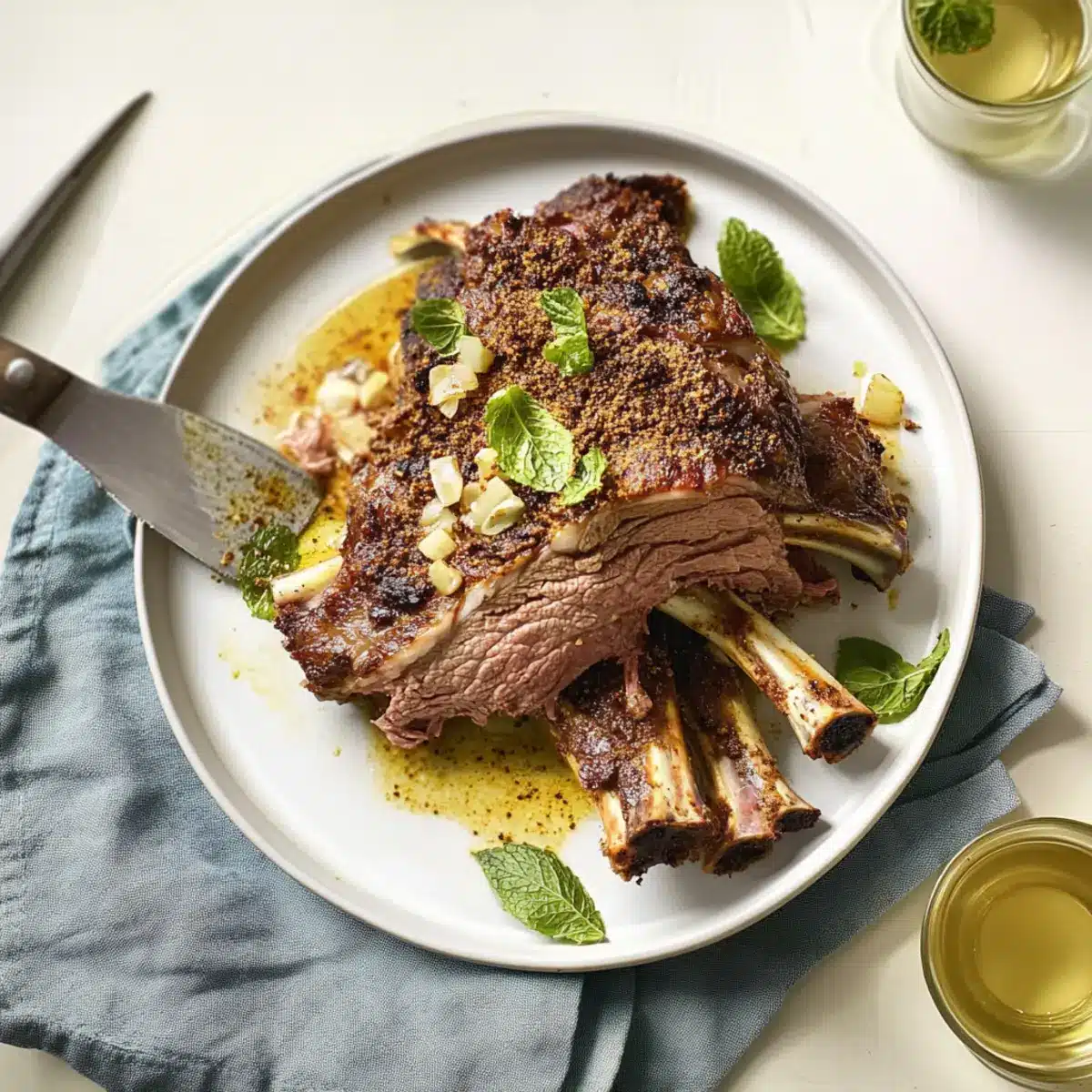
Melt-in-Your-Mouth Moroccan Roast Lamb for Cozy Nights
Ingredients
Equipment
Method
- Preheat your oven to 180°C (160°C for fan-assisted ovens) or Gas mark 4.
- Place the lamb shoulder skin-side up in a large roasting tin.
- In a medium-sized bowl, combine olive oil, minced garlic, ground cumin, ground ginger, ground coriander, paprika, ground turmeric, black pepper, cayenne pepper, and salt.
- Make deep incisions all over the lamb shoulder, then generously rub the spice mixture into the lamb.
- Cover the roasting tray tightly with aluminum foil and roast for 3 hours, basting every 45 minutes.
- After 3 hours, remove the foil and continue roasting for an additional 35 to 45 minutes.
- Once roasted, let the lamb rest for 15 minutes before shredding.
- Serve the shredded lamb garnished with fresh mint leaves and toasted flaked almonds.
Leave a Reply